Decorative Rock & Landscaping Stone in Los Angeles
Decomposed granite, river rock, lava rock, Mexican beach pebbles, gravel, and specialty landscape stone — stocked at our North Hollywood and Sun Valley yards. Bulk contractor pricing. Same-day pickup or delivery throughout Los Angeles and the San Fernando Valley.
Shop Our Decorative Rock & Landscape Stone Collection
One of the widest selections of decorative rock and landscape stone in Los Angeles — decomposed granite, river rock, lava rock, Mexican beach pebbles, polished stone, gravel, and more. Available for same-day pickup at our North Hollywood and Sun Valley yards or delivered anywhere in LA County.
Decomposed Granite (DG) in Los Angeles
Decomposed granite is the most popular drought-tolerant ground cover in Los Angeles. It's a naturally weathered granite that breaks down into a fine, compacted gravel — ideal for pathways, driveways, parkways, dog runs, and front yard turf replacement throughout Southern California. DG compacts firm underfoot, drains cleanly into the soil, and qualifies for turf removal rebates through LADWP and many other Southern California water districts when used as part of an approved drought-tolerant landscape conversion.
Prime stocks decomposed granite in natural tan and gold tones. Available by the bag for residential projects or in bulk by the pallet or ton for contractors and large landscape jobs throughout the San Fernando Valley and greater Los Angeles.
Best Uses for DG in Los Angeles
- Front yard turf replacement — LADWP rebate eligible
- Pathways and walkways
- Dog runs and pet areas
- Parkway strips (check local city requirements)
- Driveways — stabilized DG with hardener
- Dry creek bed fill and edging
- Under artificial turf as a compacted base layer
DG Pricing in Los Angeles
Decomposed granite in Los Angeles runs approximately $80–$120 per ton for bulk orders, depending on quantity and availability. Bags are available for smaller residential projects at a higher per-unit cost.
Rule of thumb: 1 ton covers ~100 sq ft at 2 inches deep. Call us with your square footage and we'll calculate exactly how much you need.
Get a DG Quote 📞 Call UsMexican Beach Rock & Pebbles
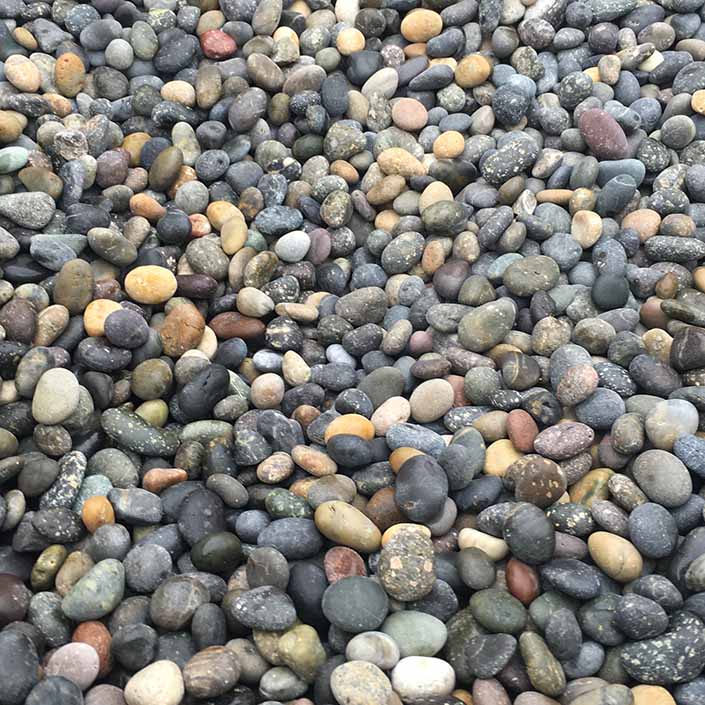
Mix Mexican Beach Rock
A blend of naturally rounded river stones in mixed neutral tones. Great for accents, borders, and dry creek beds.
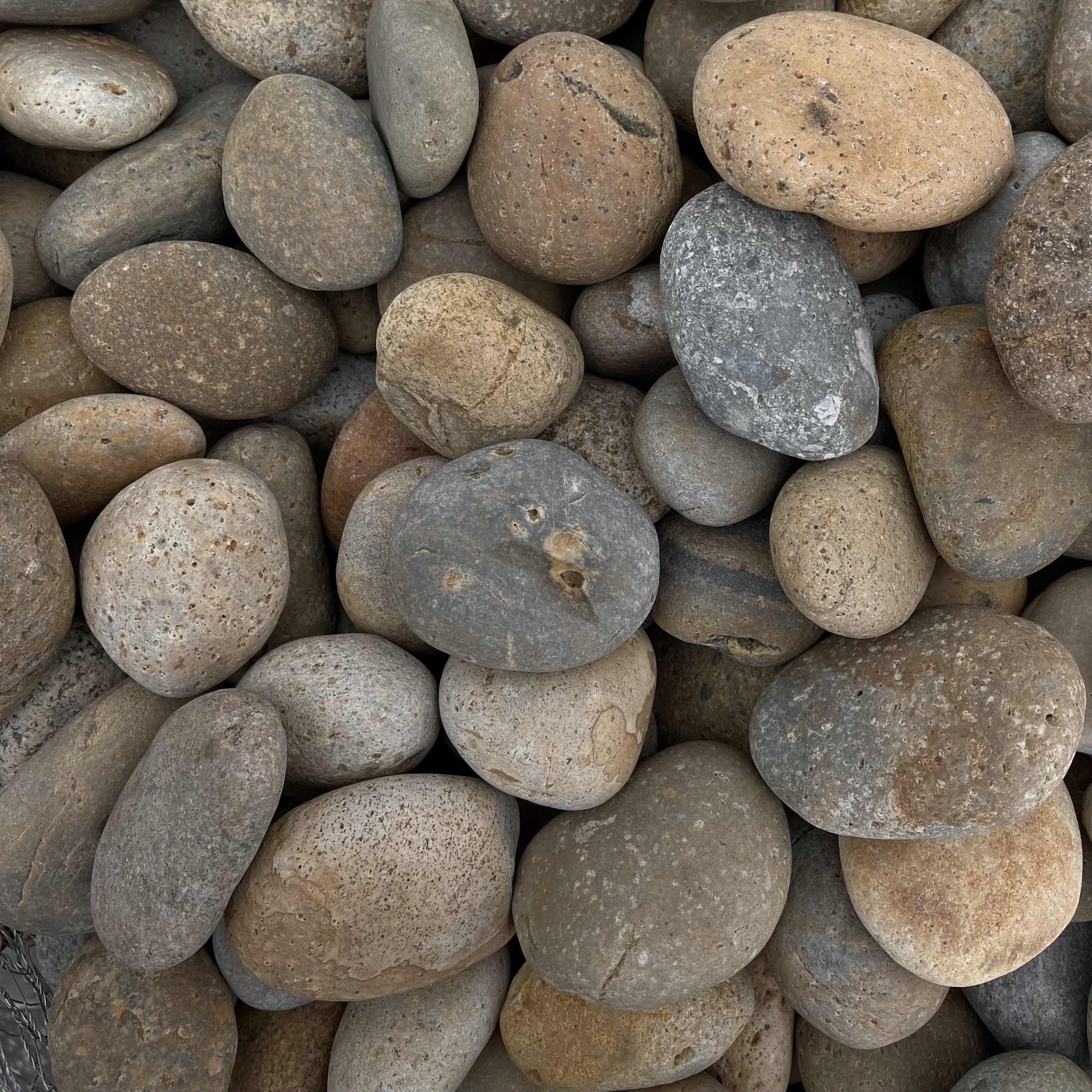
Buff Mexican Beach Pebble
Warm buff-toned smooth pebbles, perfect for landscape beds, paths, and water features.
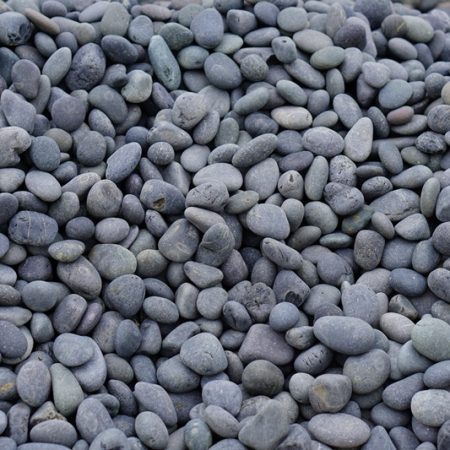
Black Mexican Beach Rock
Sleek dark river stones with a smooth finish. Ideal for modern and zen-inspired garden designs.
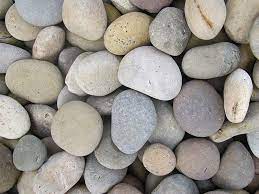
Buff Beach Pebble (Large)
Larger smooth buff pebbles for garden features, water elements, and decorative ground cover.
River Rock & Mexican Beach Pebbles for Los Angeles Landscaping
River rock and Mexican beach pebbles are some of the most low-maintenance landscape materials available — naturally smooth, rot-proof, immune to drought conditions, and they look great year-round. Widely used across LA for dry creek beds, garden borders, water features, and drought-tolerant front yard redesigns replacing turf.
Black Mexican Beach Rock gives modern and zen-style gardens a sleek, high-contrast look. Buff pebbles blend naturally with Spanish-style and Mediterranean homes common throughout the San Fernando Valley and Burbank Hills. Mix blends work well for natural-looking dry creek beds. All available in bulk at our North Hollywood and Sun Valley yards. Call (818) 503-4242 for bulk pricing or request a quote.
Polished & Decorative Rocks
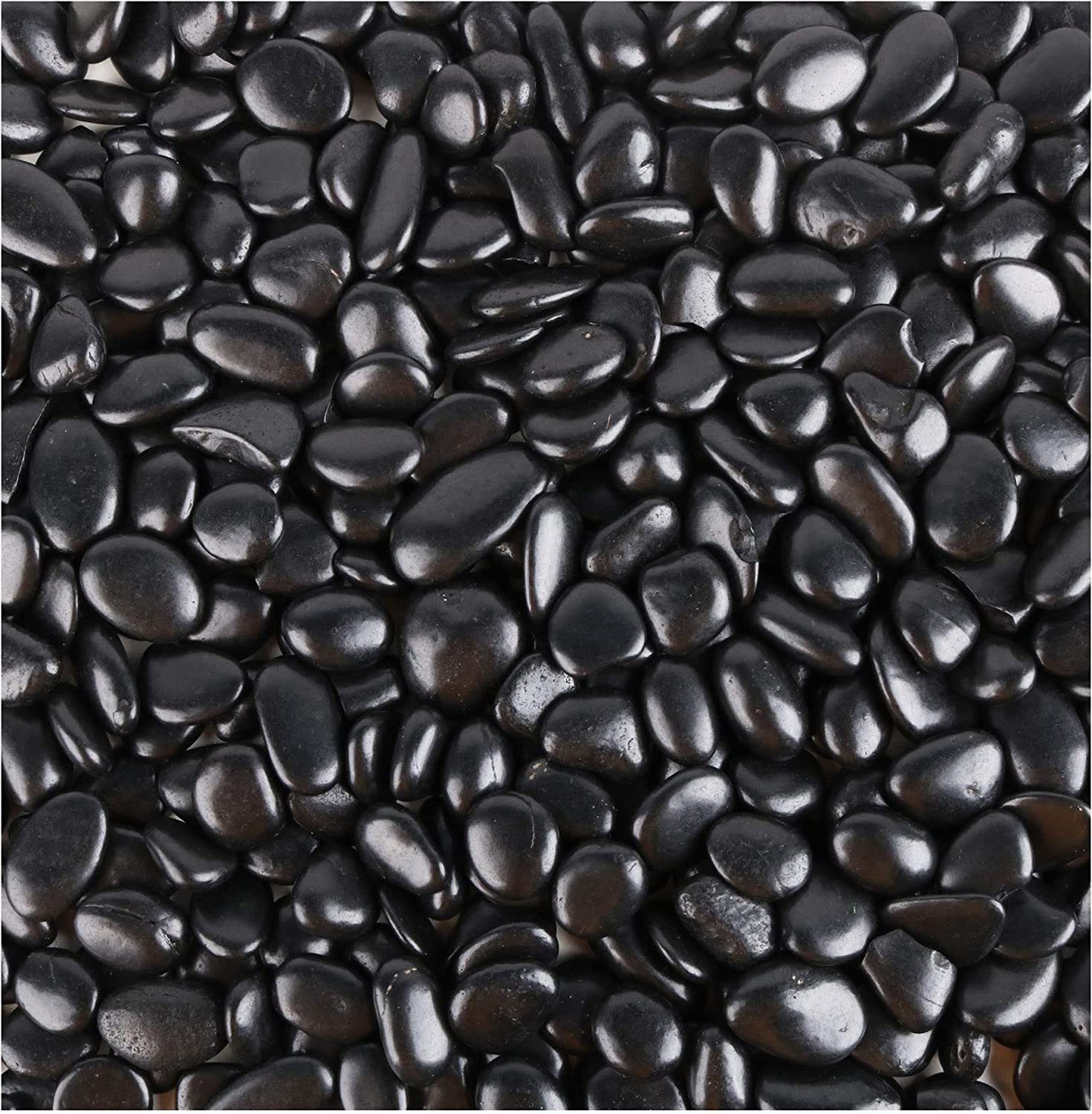
Polish Black Rock
High-gloss polished black stones for a refined, contemporary look in planters and garden displays.
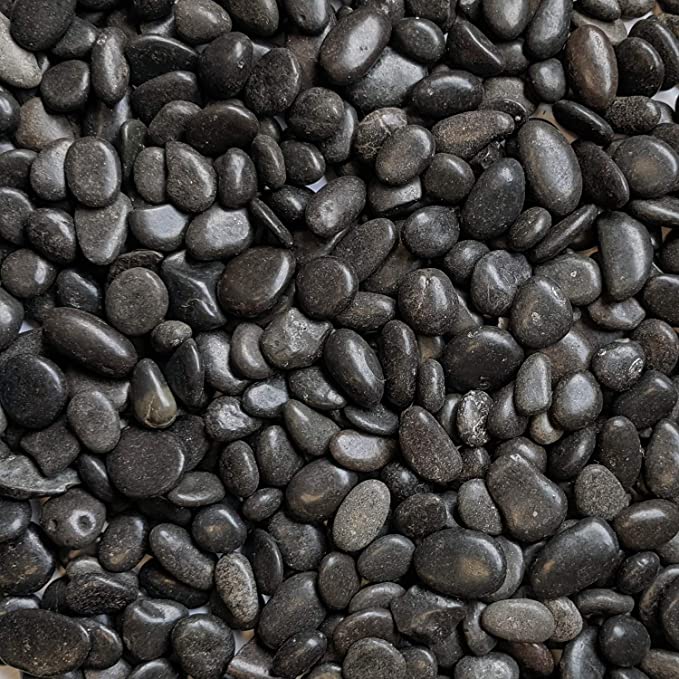
Decorative Black Rock
Smooth decorative black aggregate ideal for contrast planting beds and modern hardscape accents.
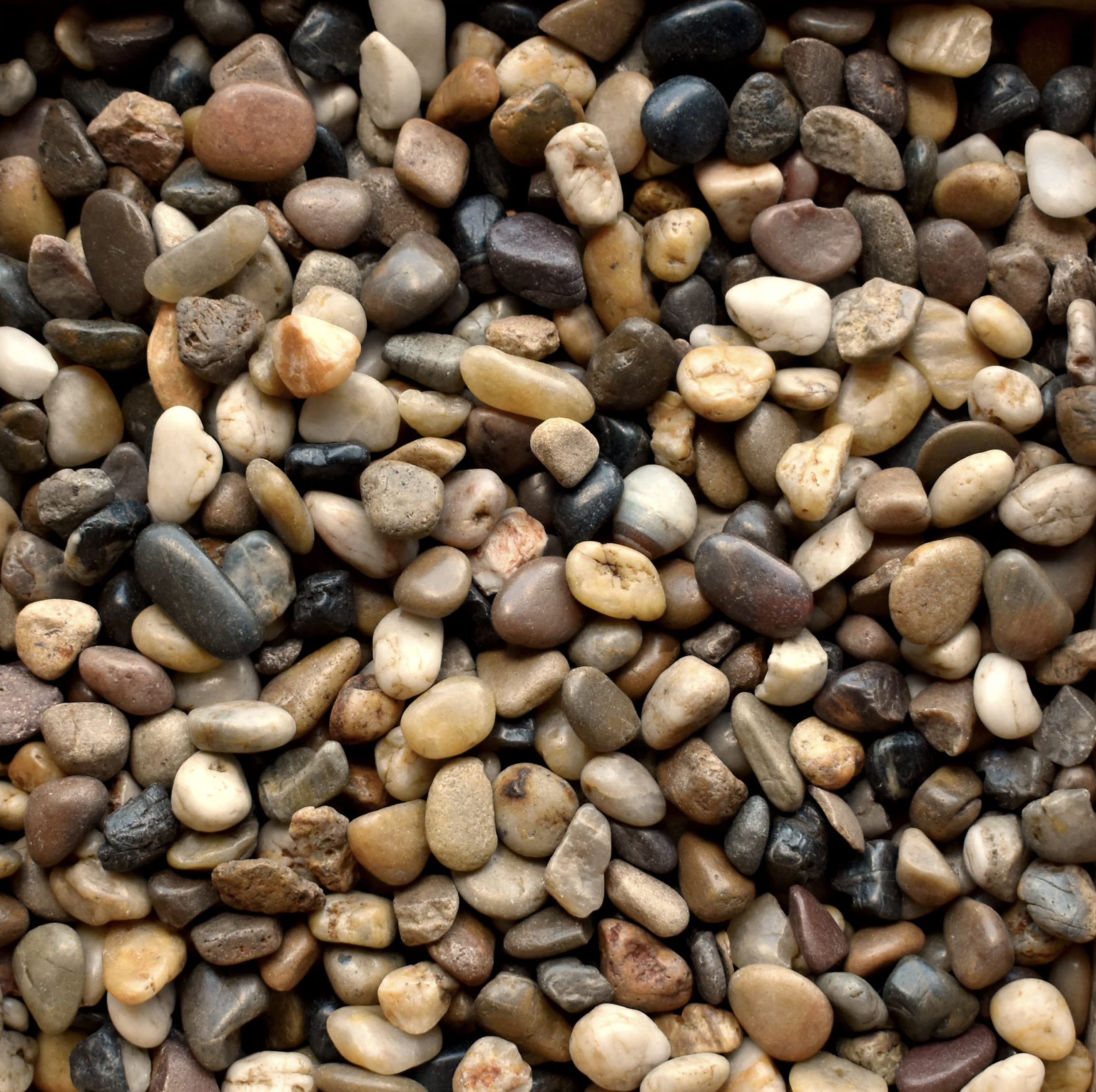
Mixed Polish Rock
A colorful assortment of polished stones — adds natural dimension to any landscape or display.

White Ultra Polished Rock
Premium ultra-glossy white stones — perfect for high-end landscape accents and water features.
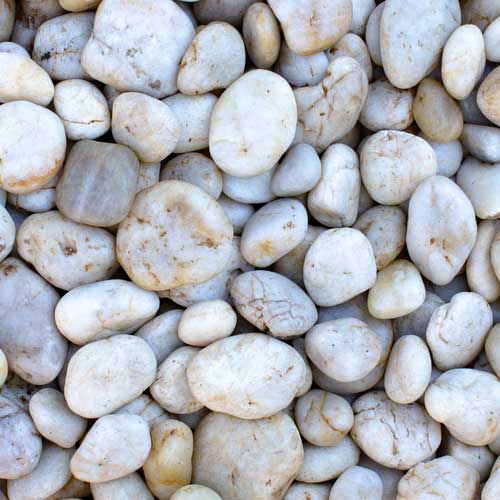
White Polished Rock
Smooth polished white stones for clean, modern garden designs and decorative borders.
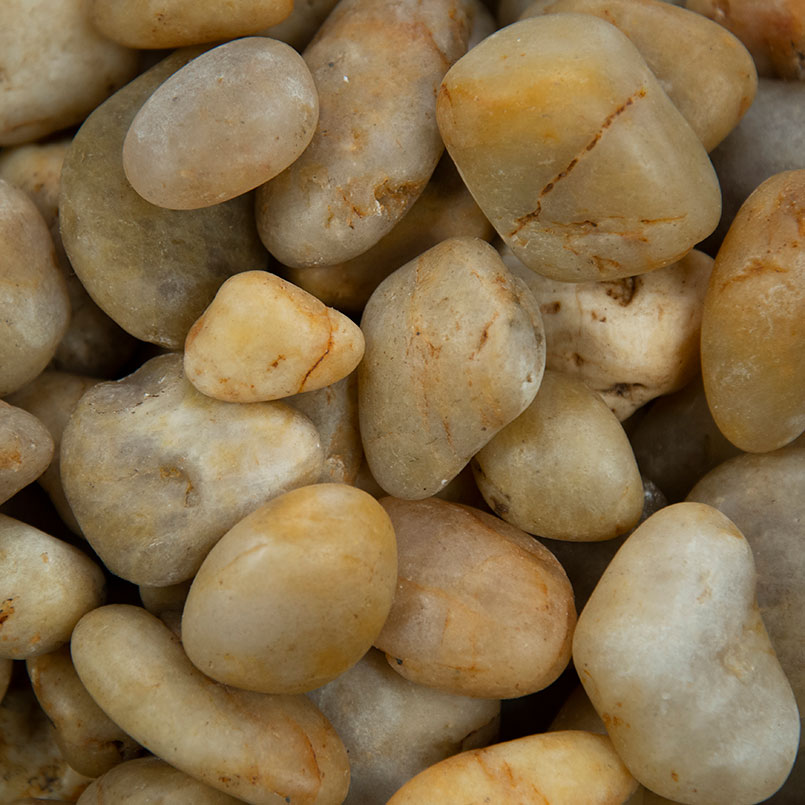
Yellow Polished Rock
Warm golden-yellow polished stones to brighten up planters, paths, and outdoor living spaces.
White & Light Stone
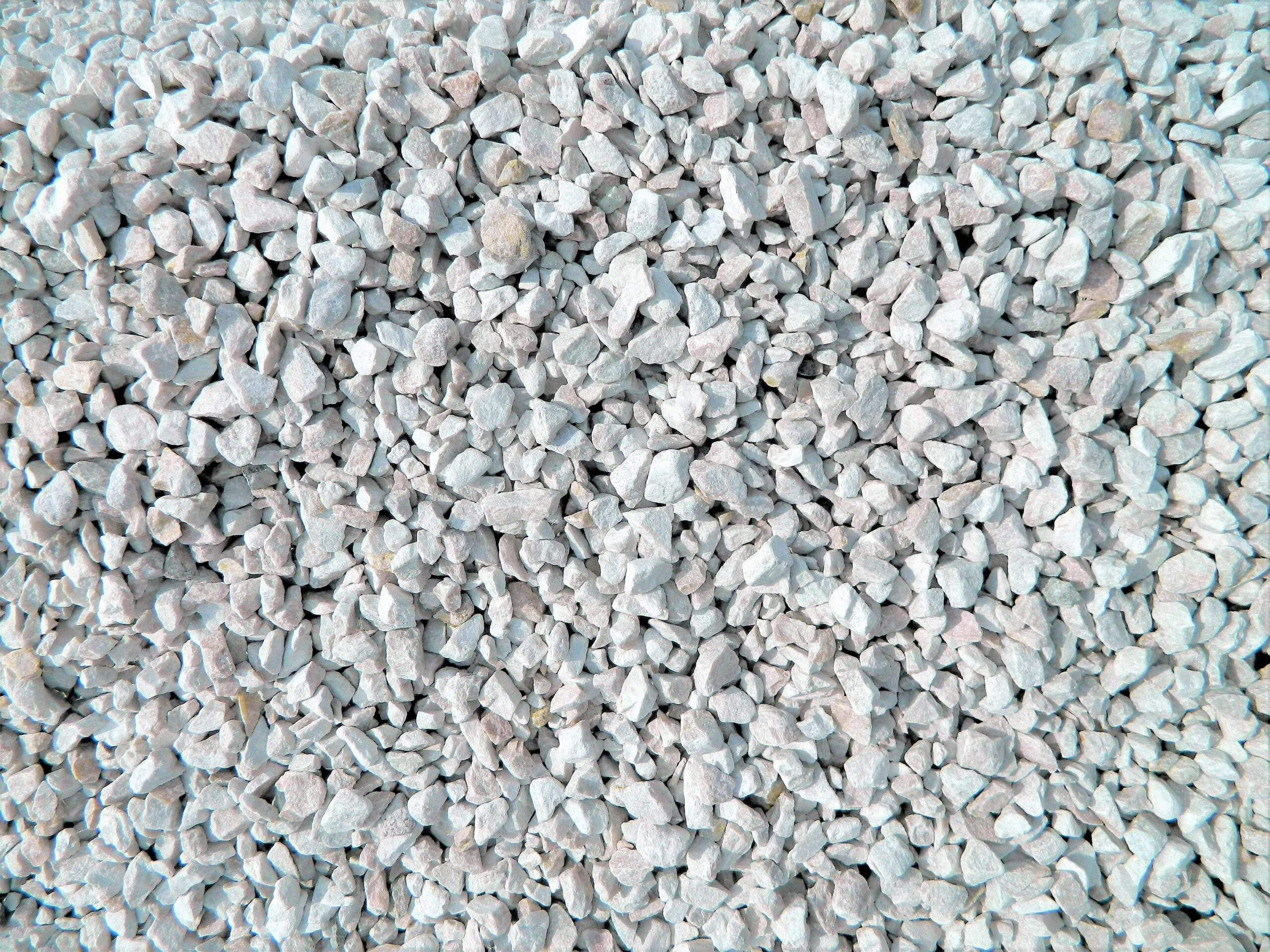
White Rocks
Classic white landscape stones for clean, bright garden beds, borders, and low-water landscaping.
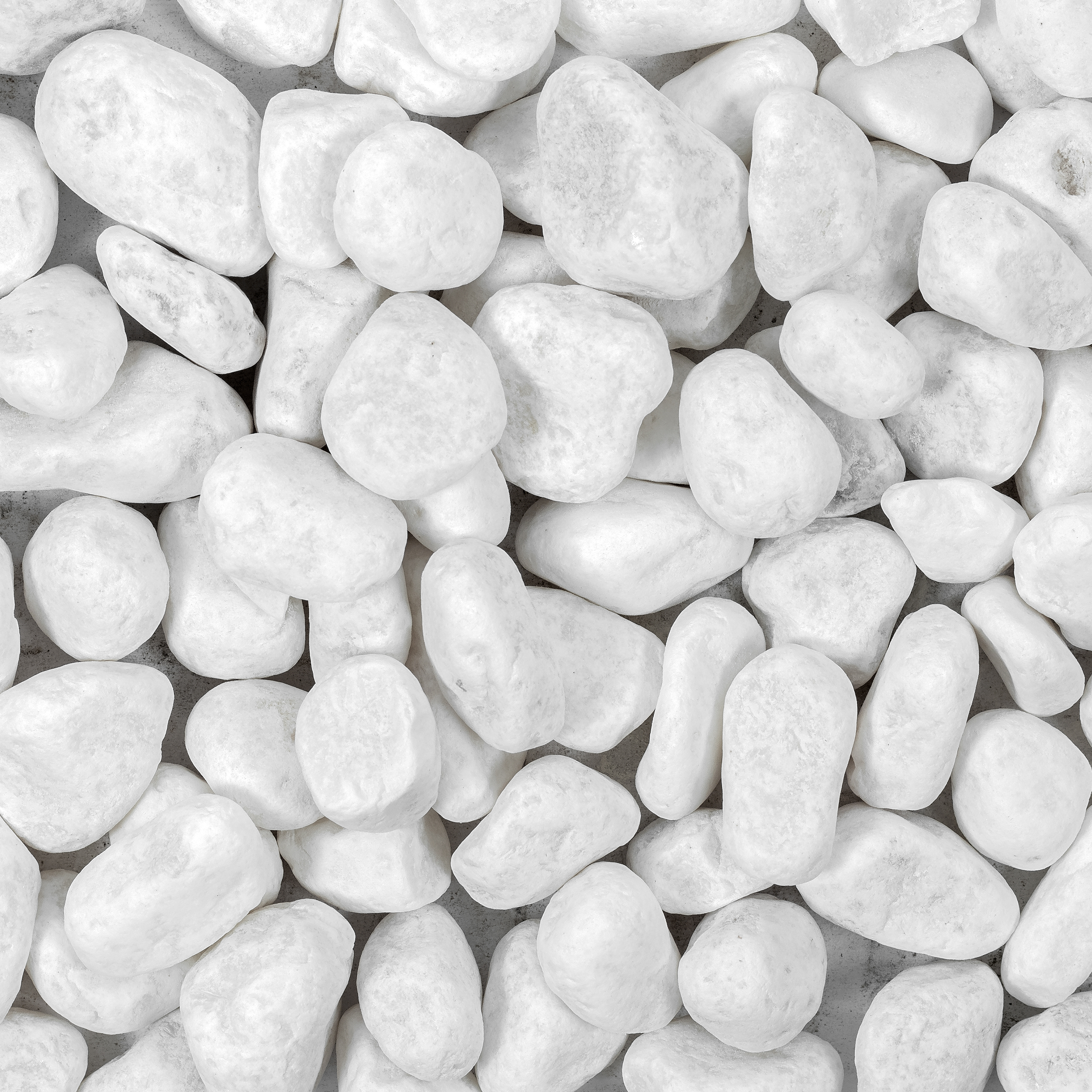
Himalaya White
Crisp, bright white stones with a natural texture — ideal for modern drought-tolerant landscapes.
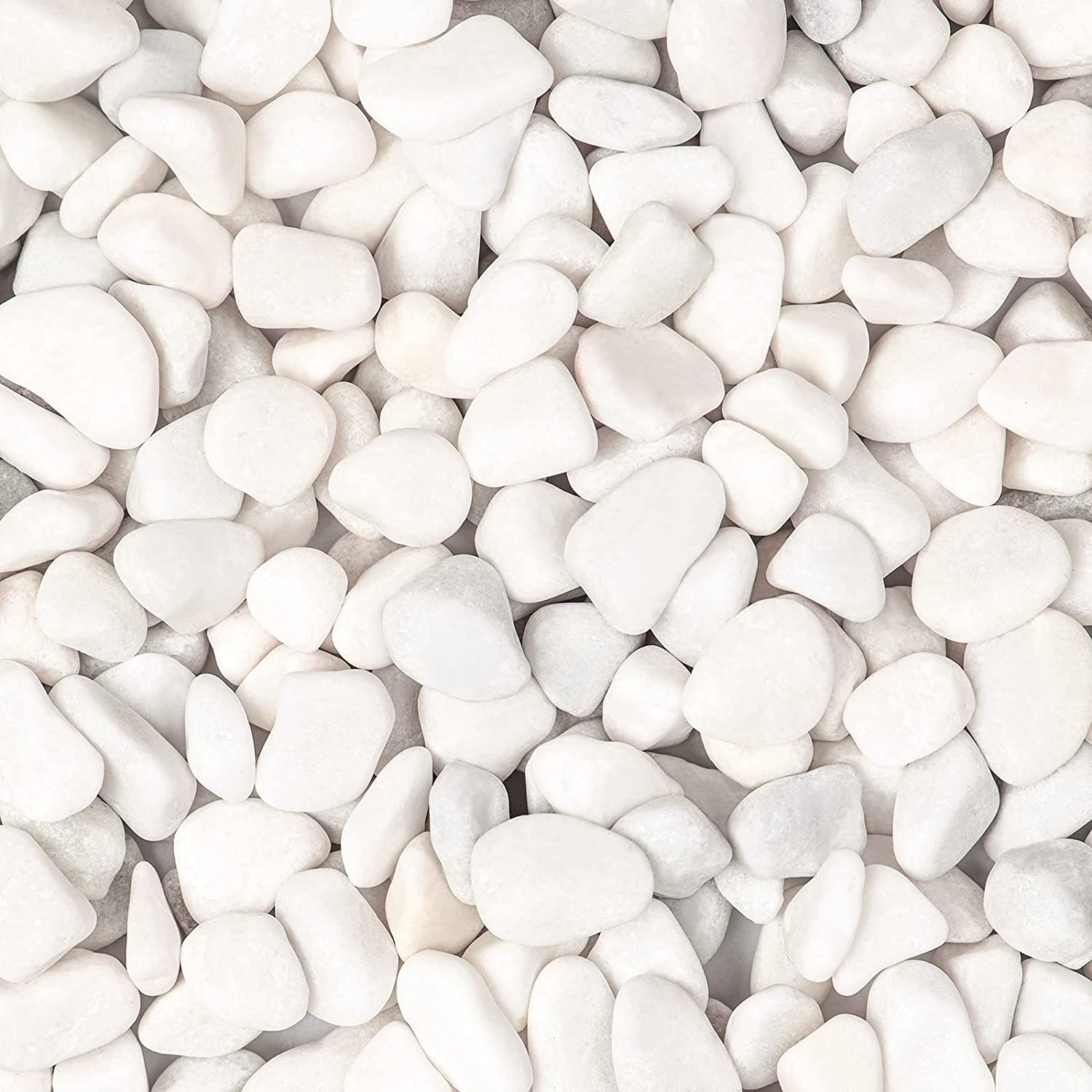
Alpine White
Soft white stone with a clean, uniform appearance. Perfect for ground cover and garden accents.
Lava Rock
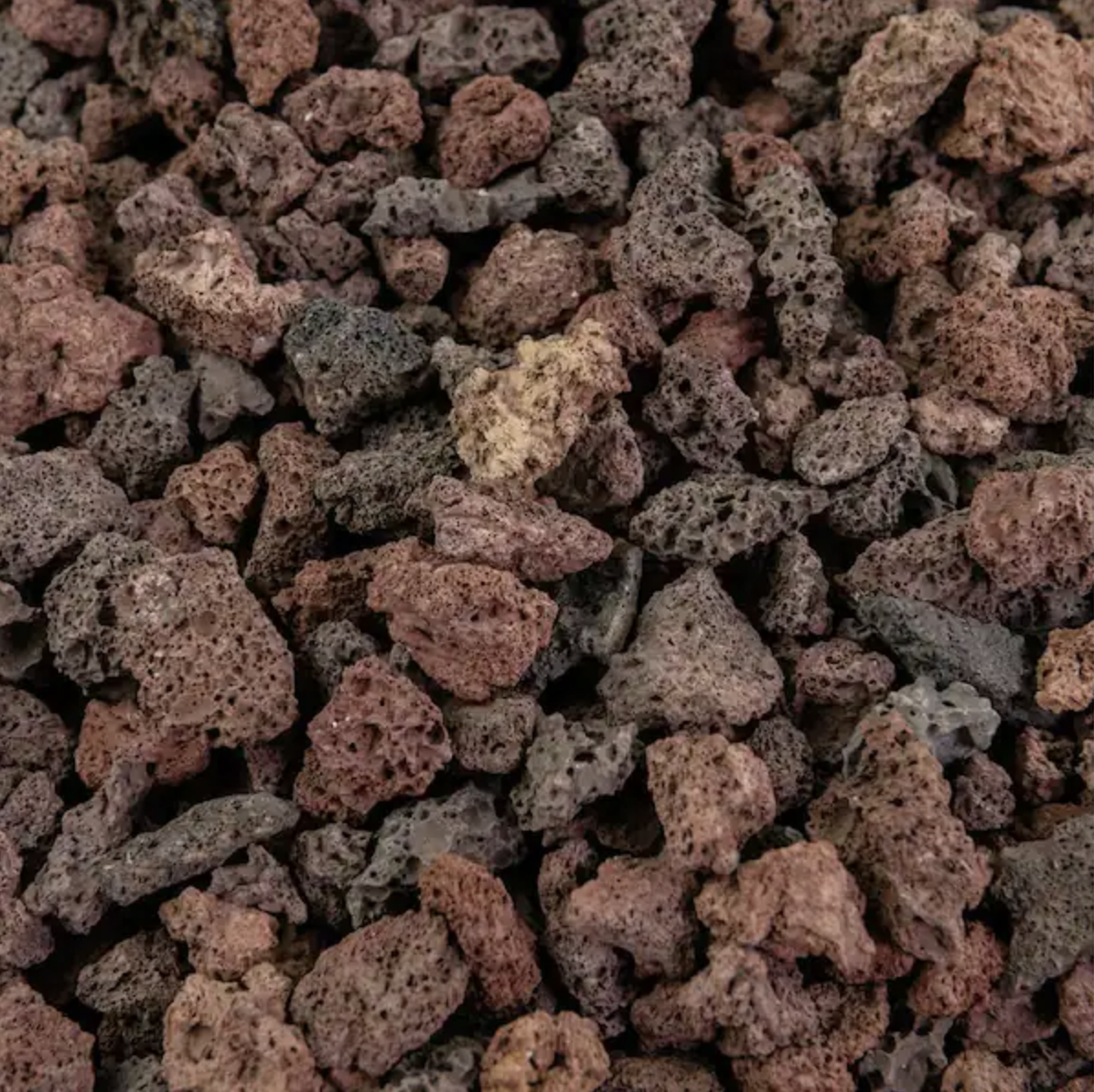
Red Lava Rock
Vibrant volcanic red lava rock — lightweight, porous, and great for mulching and garden borders.
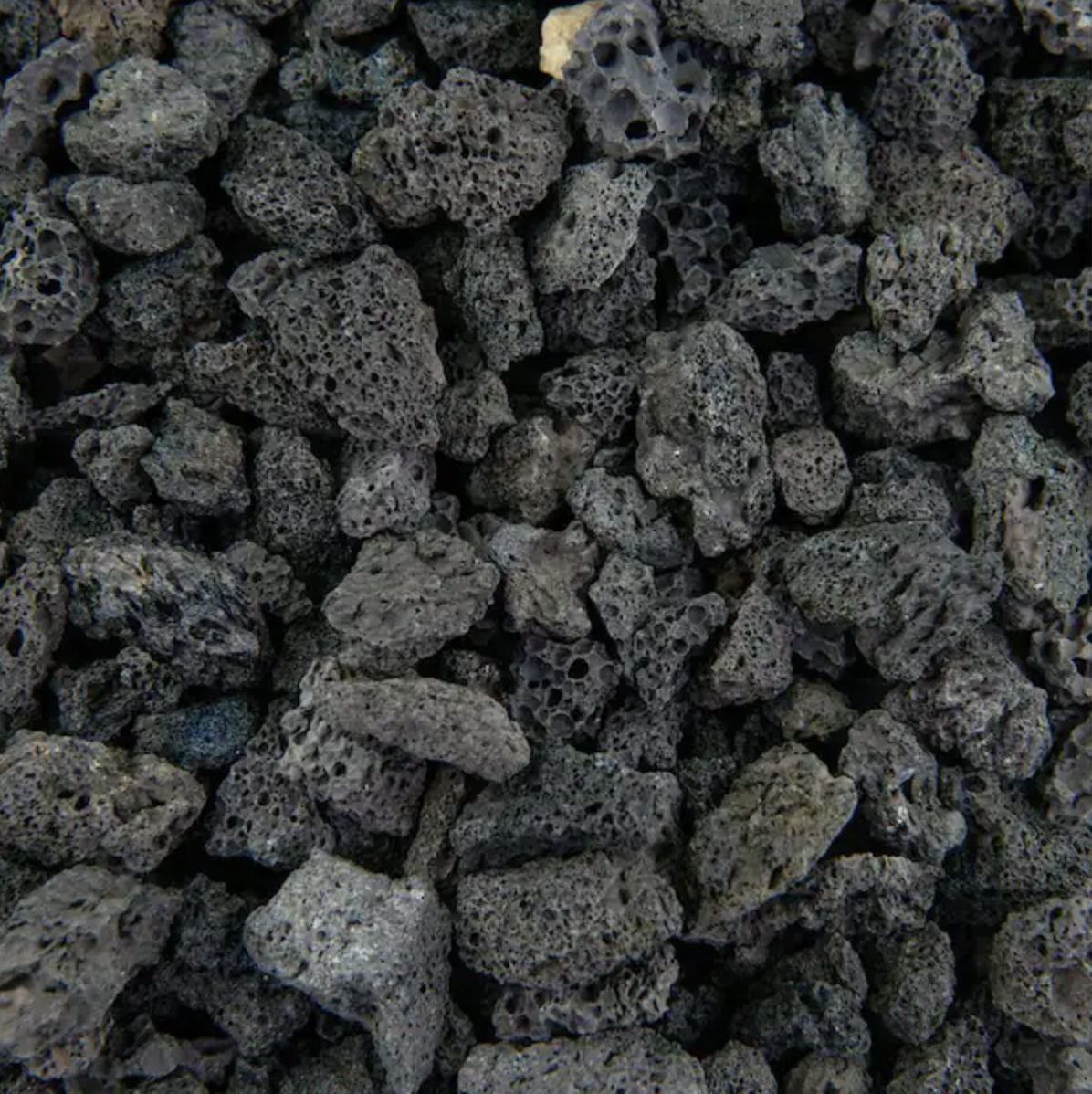
Black Lava Rock
Dark volcanic lava rock with a rough texture. Excellent for drainage, planters, and modern landscaping.
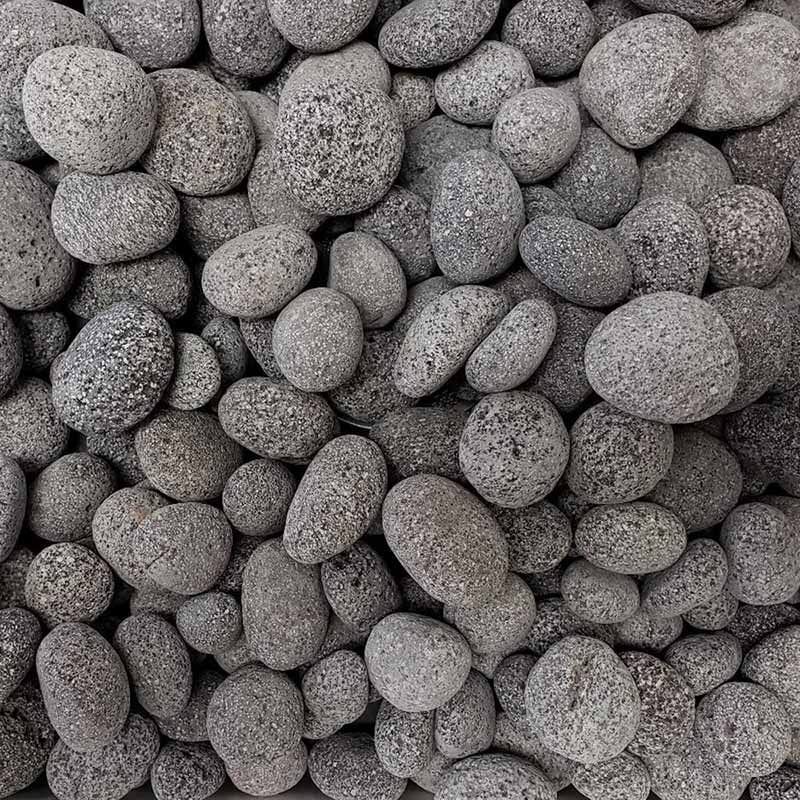
Black Lava Tumbled Rock
Tumbled black lava stones with smoother edges — ideal for zen gardens and mixed landscape beds.
Lava Rock for Los Angeles Landscaping
Lava rock is one of the top performers for drought-tolerant landscaping in Los Angeles. Lightweight, porous, and visually striking — it insulates plant roots from heat, retains moisture in dry soil, and holds up for years without decomposing. Red lava rock creates bold contrast against the pale stucco walls and green succulents common throughout the San Fernando Valley. Black lava rock delivers a clean, contemporary look ideal for modern LA landscapes and minimal garden designs.
Call (818) 503-4242 for current lava rock pricing and availability. In stock at our North Hollywood and Sun Valley locations.
Regional & Specialty Rocks
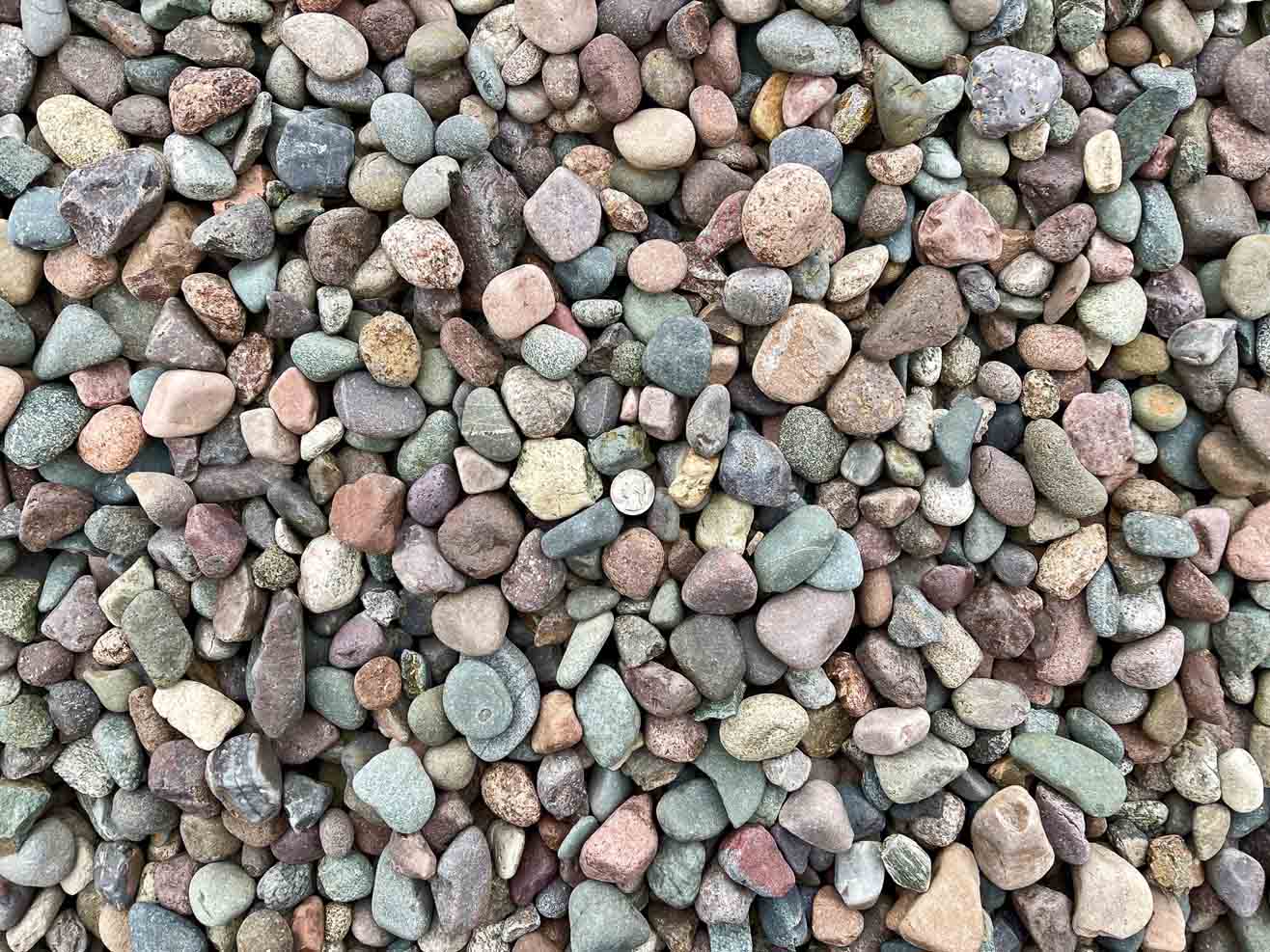
Montana Rock
Earthy mixed-tone stone from Montana — natural character and subtle color variation for any landscape.
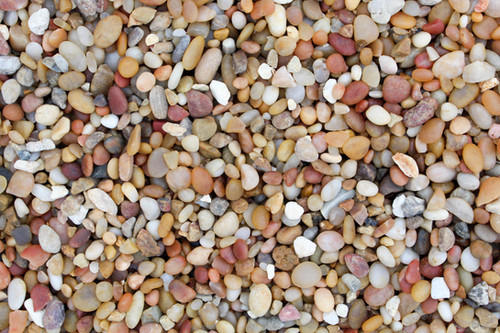
Salmon Bay Rock
Warm salmon-toned stones that add a soft, natural warmth to garden beds and hardscape borders.
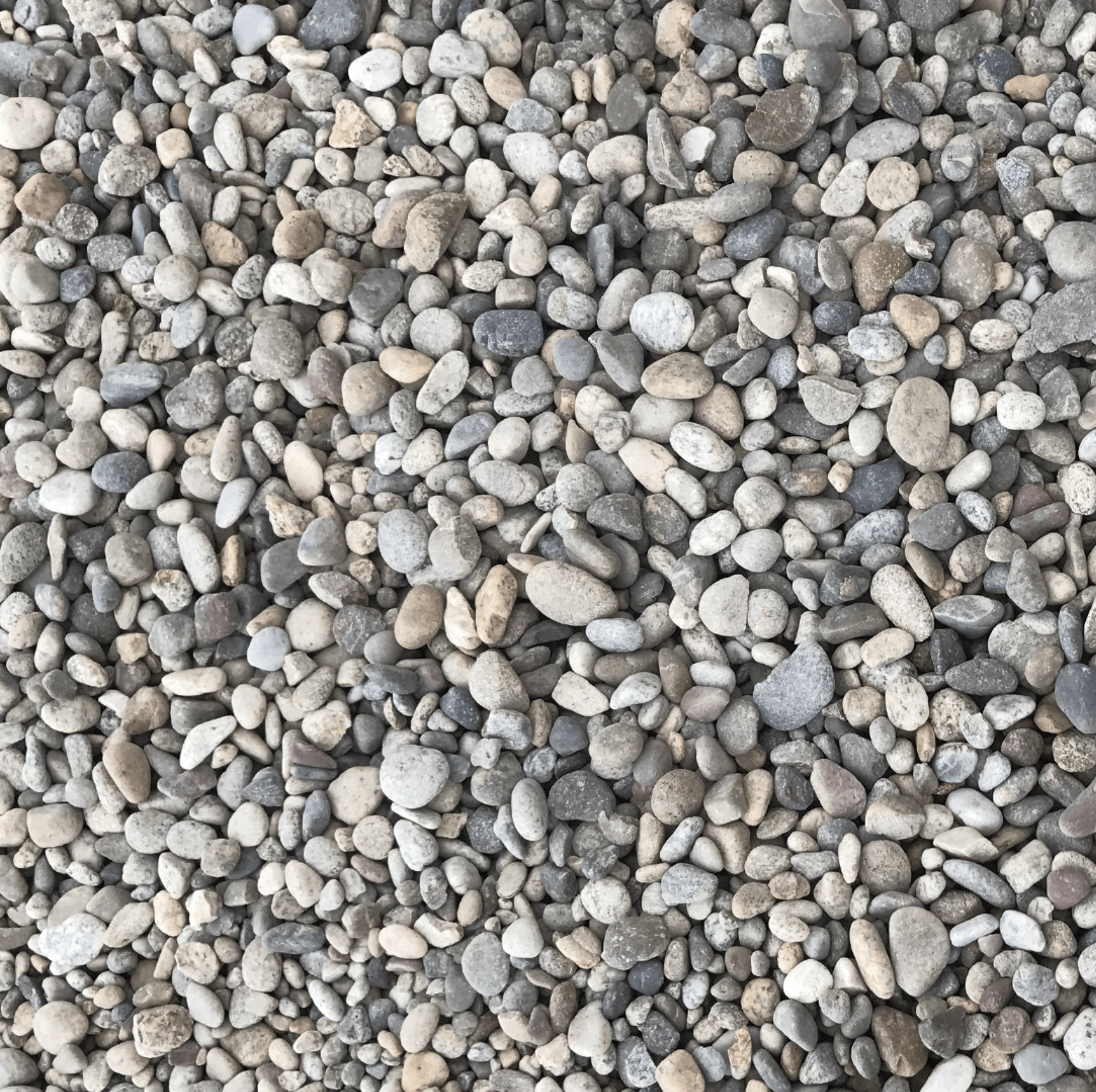
Del Rio Rock
Natural river rock in warm earth tones — versatile for dry creek beds, borders, and drainage features.
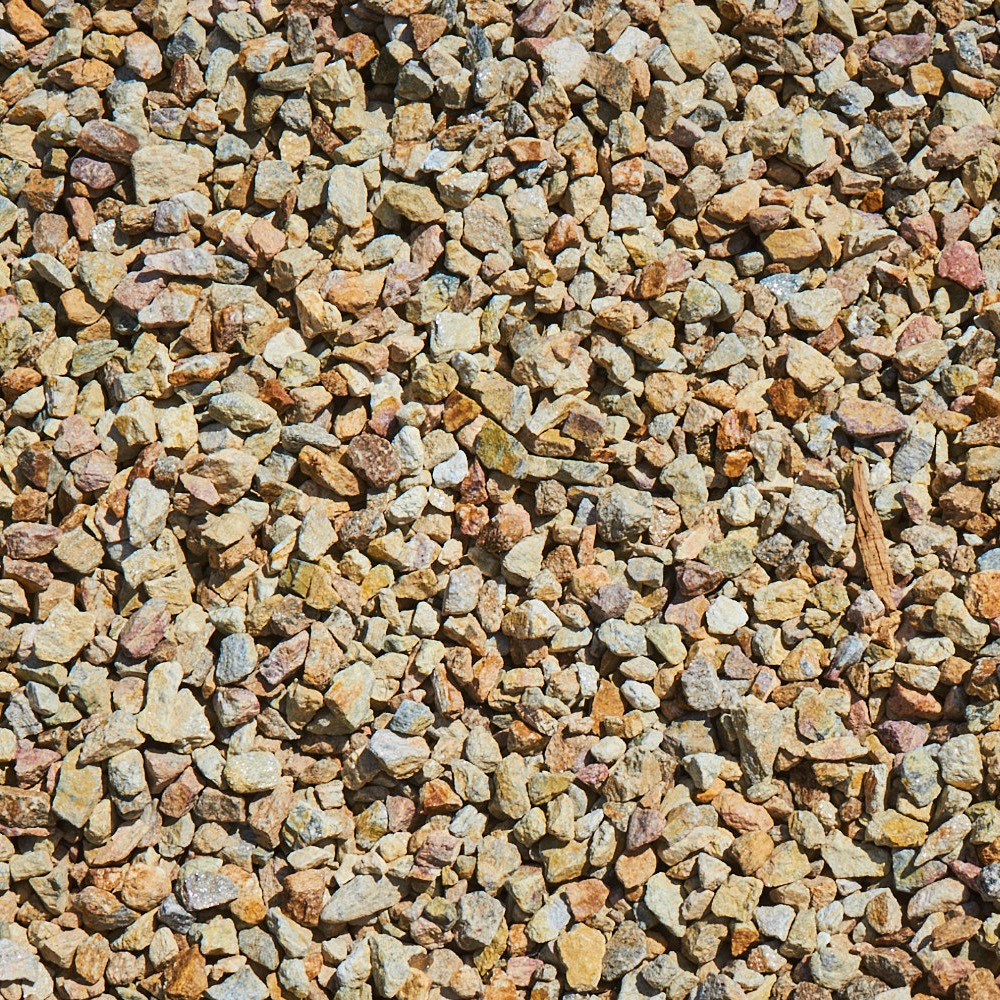
Palm Springs Rock
Desert-toned stone inspired by the Coachella Valley — perfect for xeriscape and drought-tolerant designs.
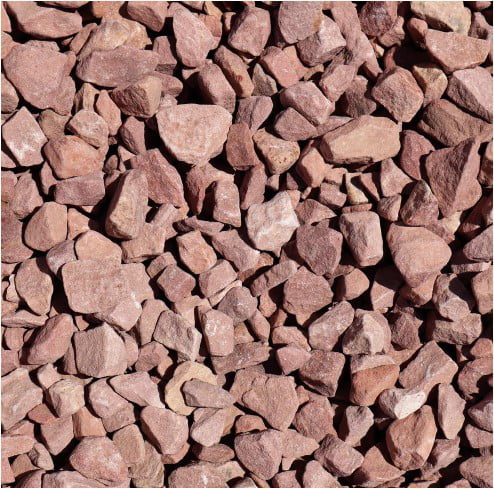
Las Vegas Pink Rock
Unique pink-toned stone that adds a warm, distinctive accent to Southwest-style landscapes.
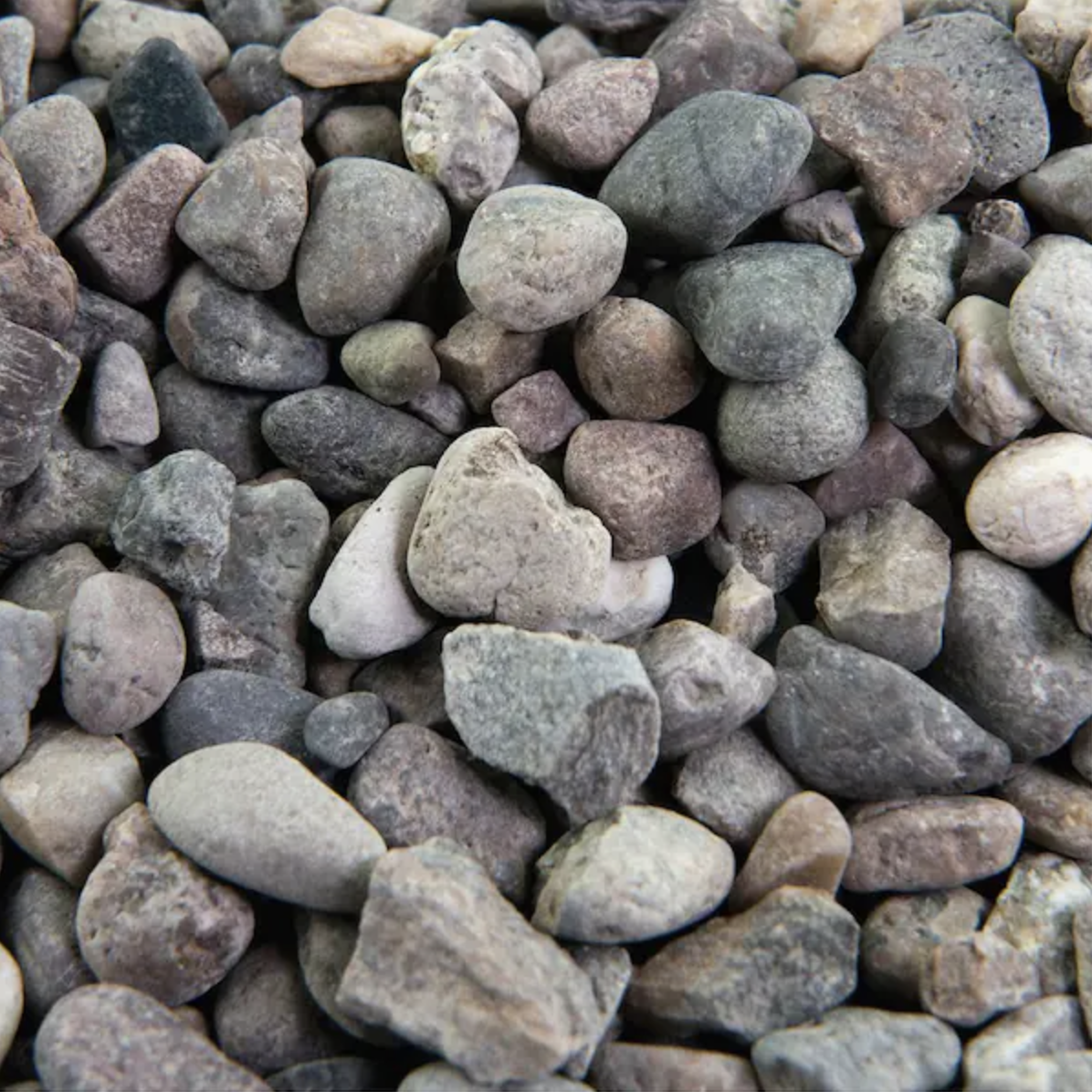
Arizona Pebble
Smooth rounded pebbles in classic Arizona tan tones — great for patios, paths, and low-water gardens.
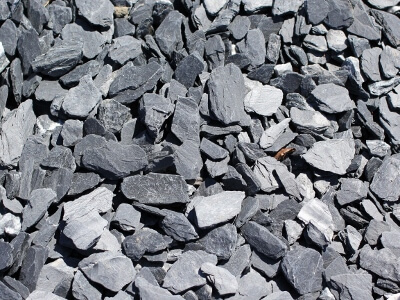
Kuro Slate Rock
Dark angular slate fragments with a natural split face — striking contrast for modern garden beds.
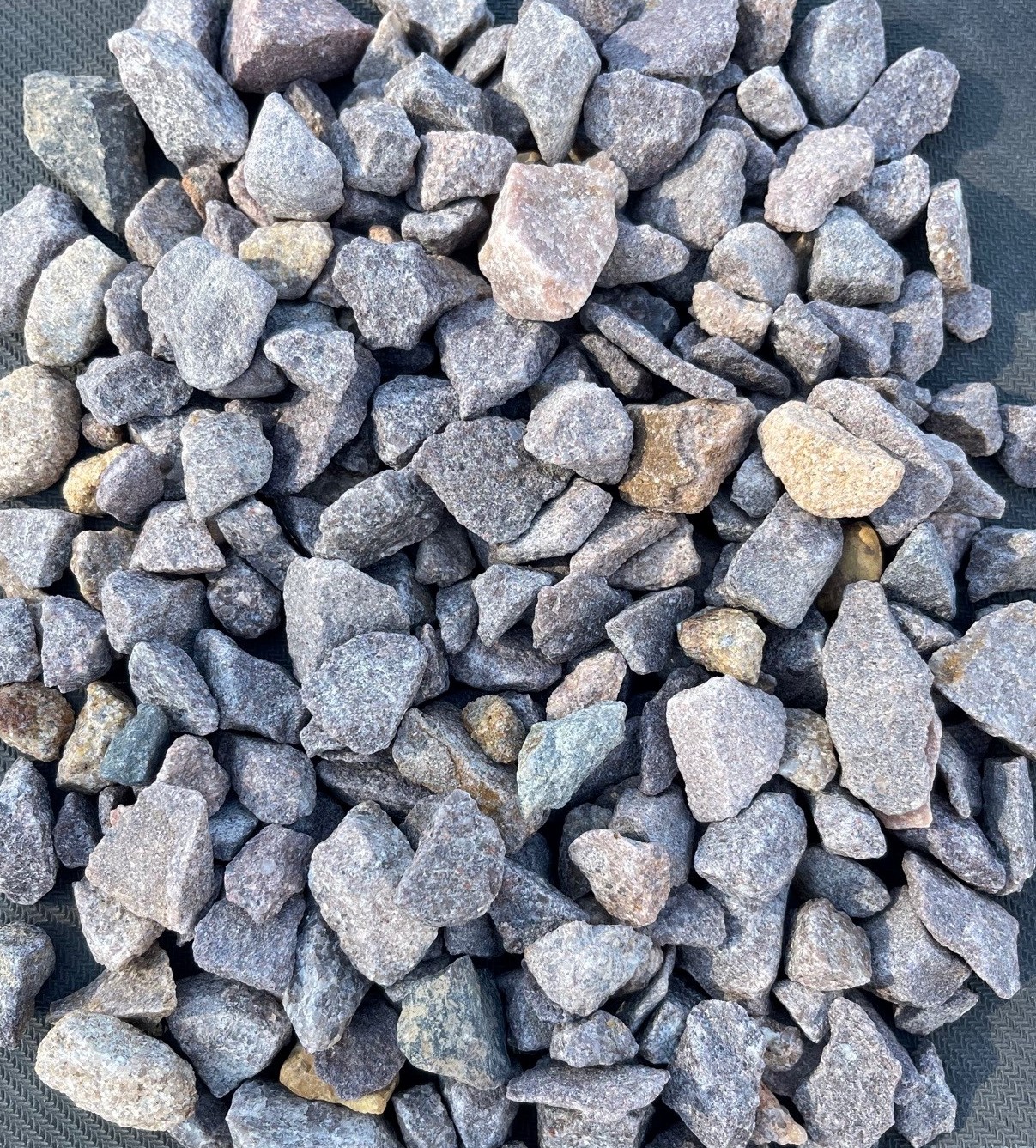
Purple-Sage Rock
Subtle purple and sage tones in a natural stone — a unique choice for accent borders and garden art.
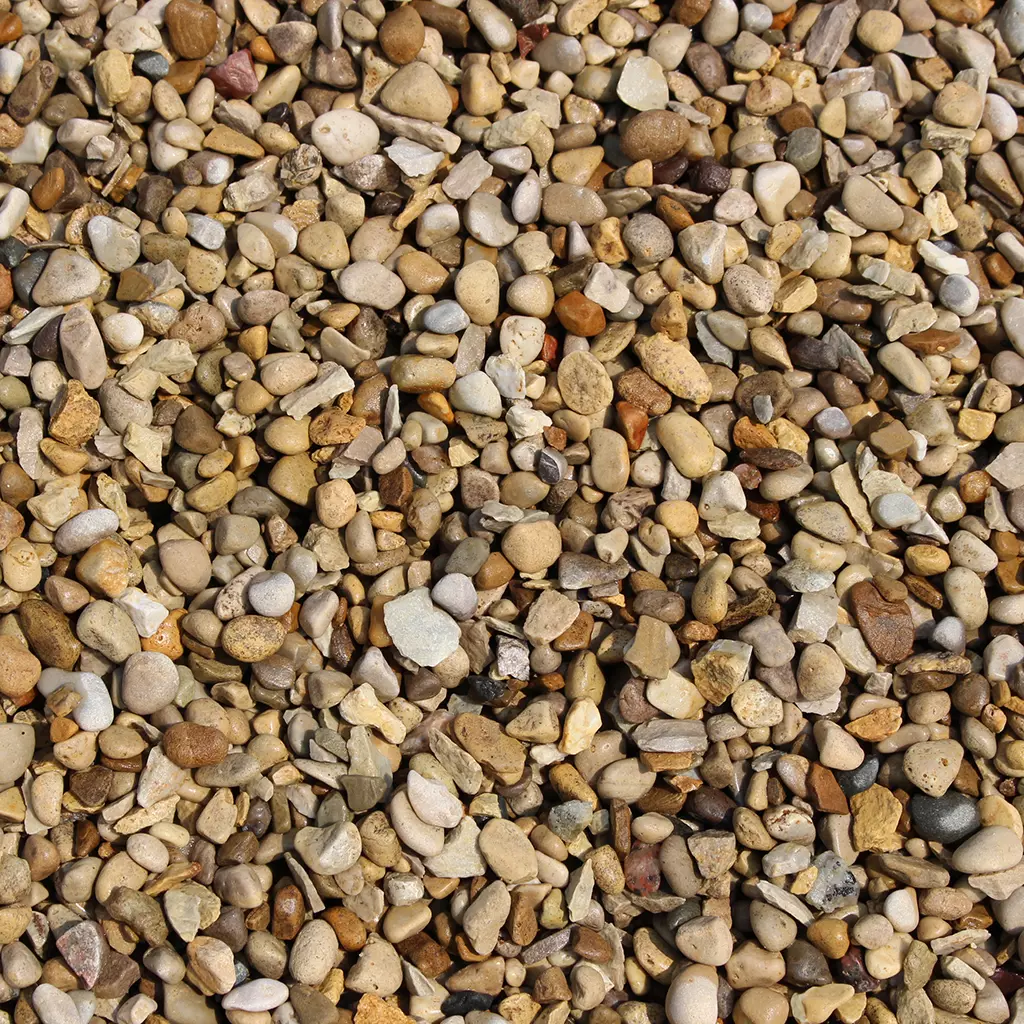
Birdseye Rock
Distinctive patterned stone with unique surface markings — adds visual interest to any landscape.
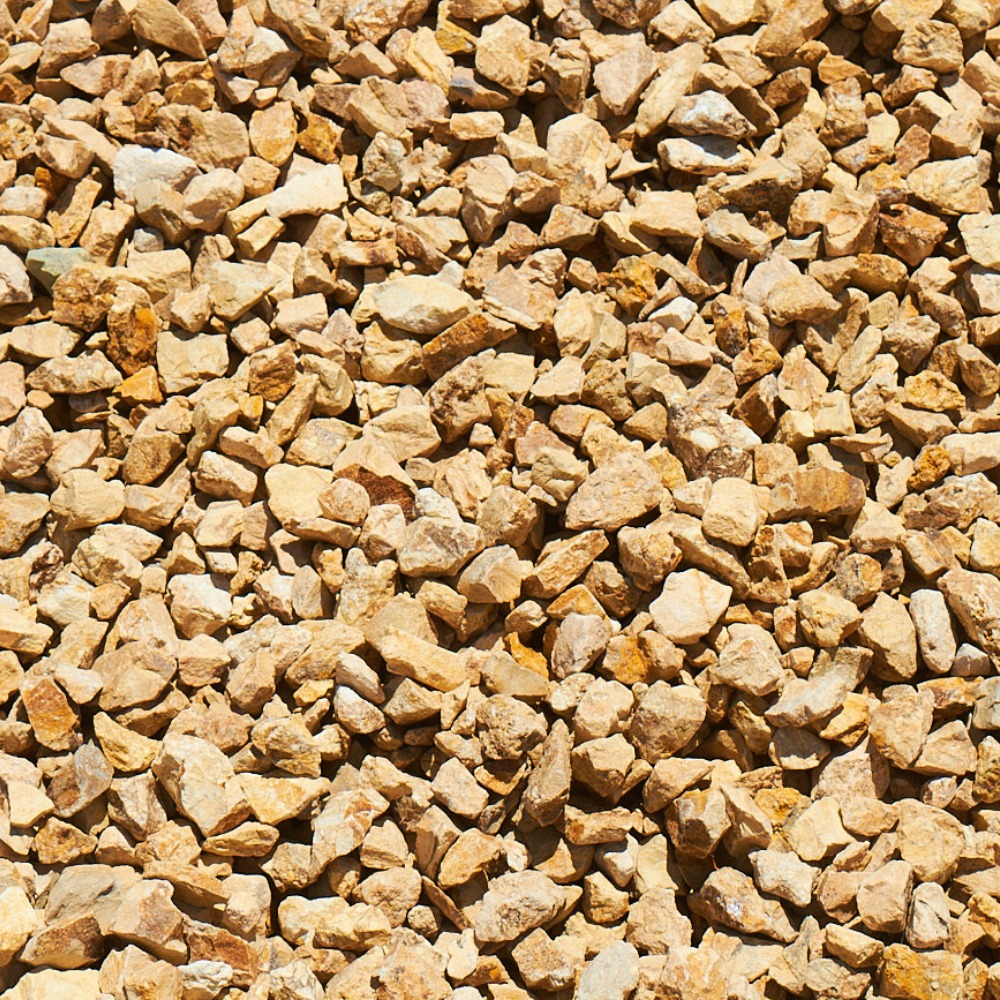
California Gold Rock
Warm golden-hued stone native to California — perfect for Mediterranean-style gardens and paths.
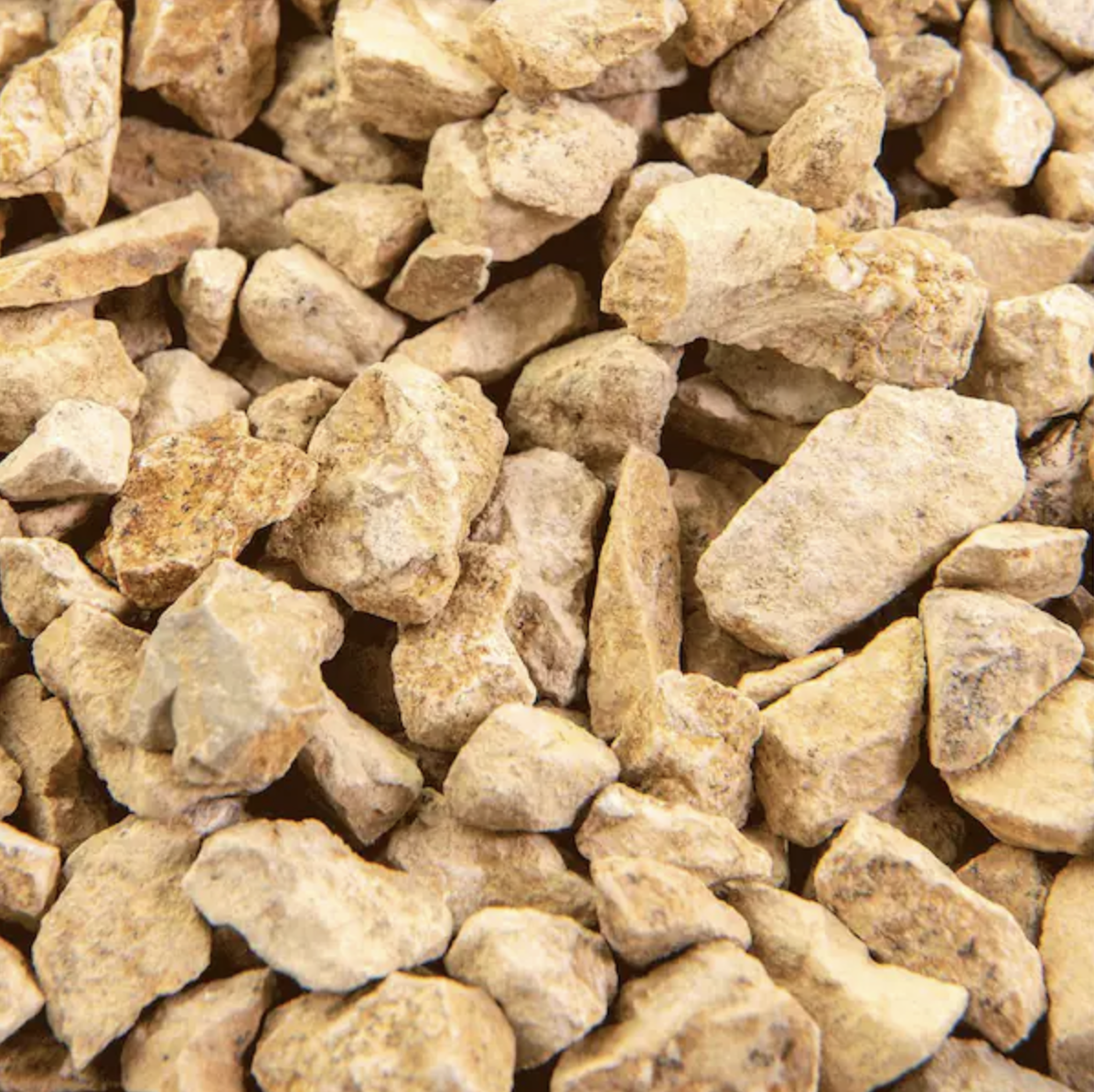
White Gold Rock
A bright, warm-white stone with golden undertones — beautiful for dry riverbeds and ground cover.
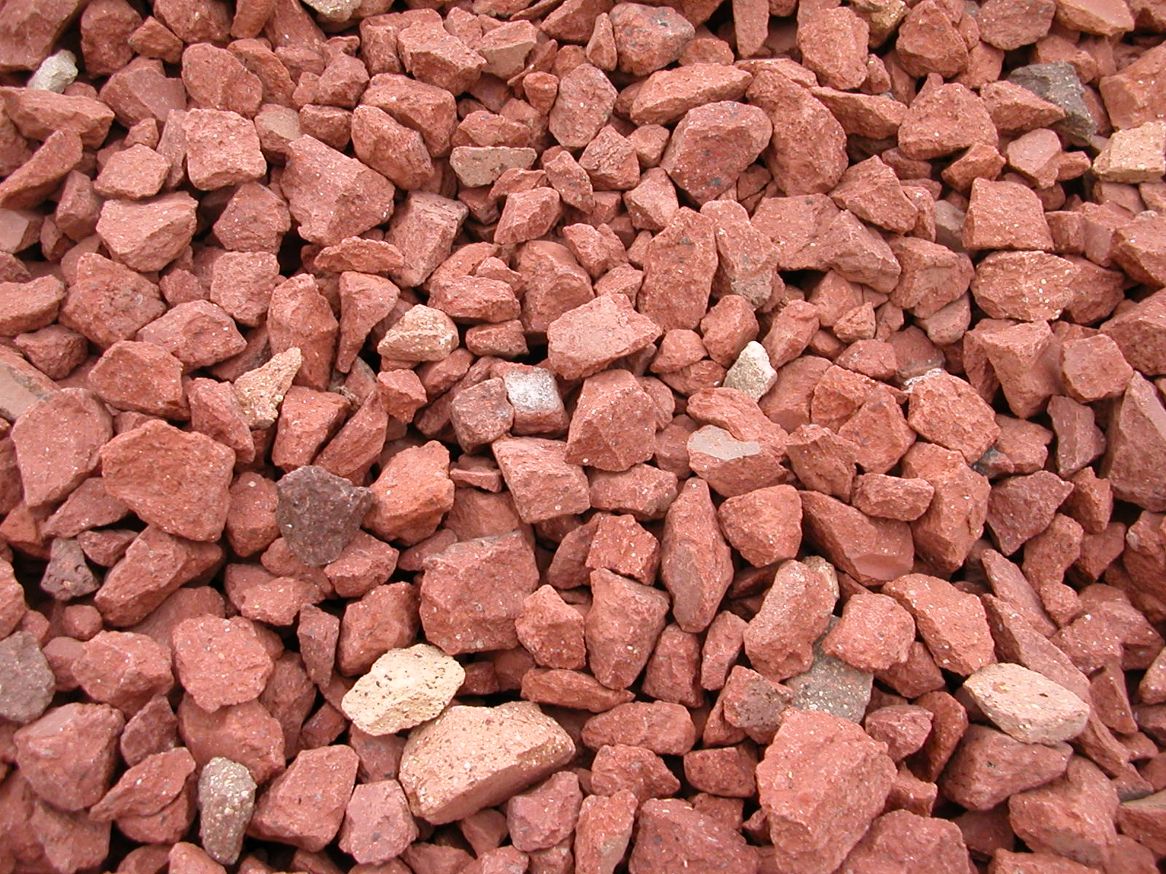
Crushed Brick Rock
Rustic red crushed brick aggregate — great for pathways, play areas, and garden drainage.
Gravel & Crushed Stone
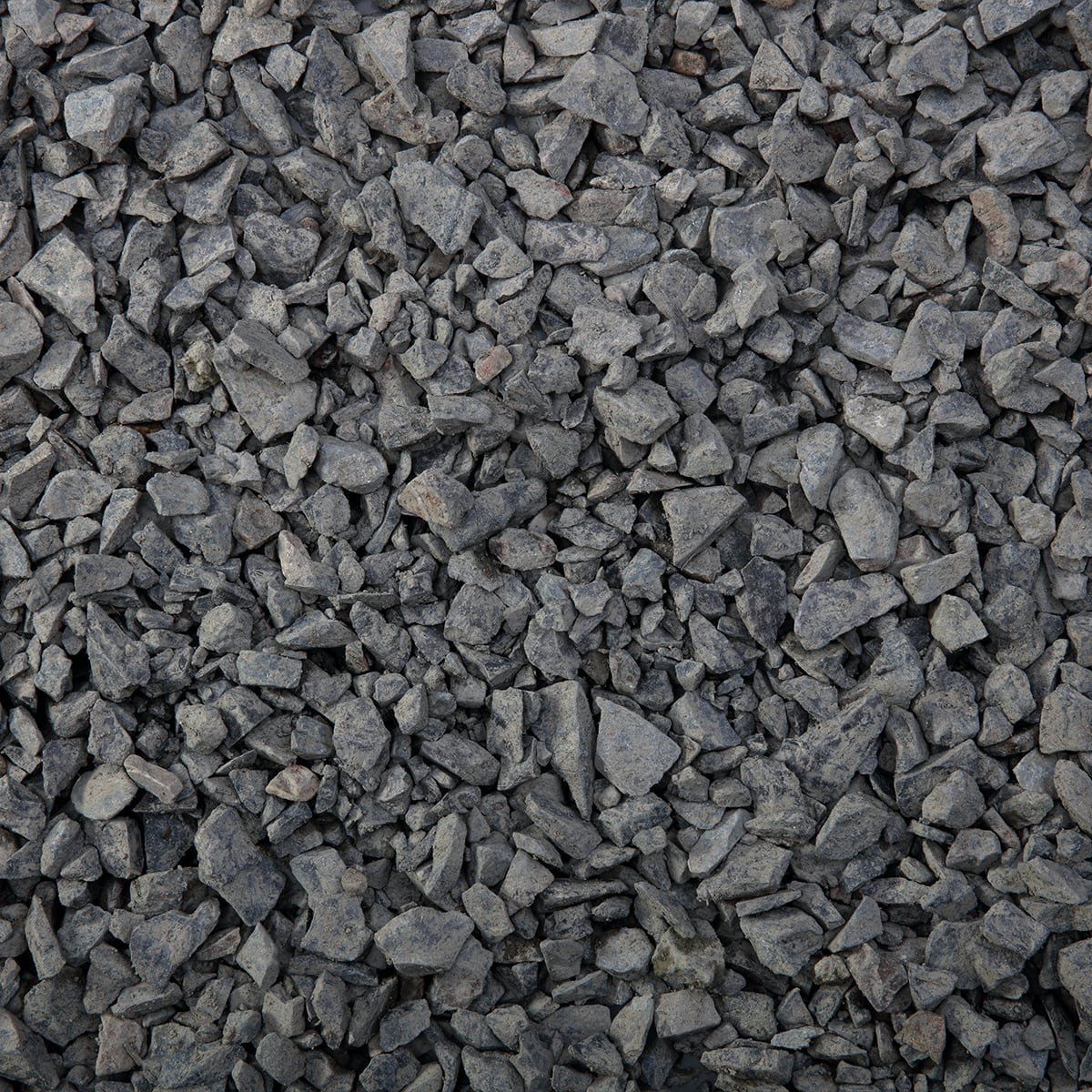
Crushed Gravel
Angular crushed gravel for driveways, drainage, and sub-base applications. Excellent compaction.
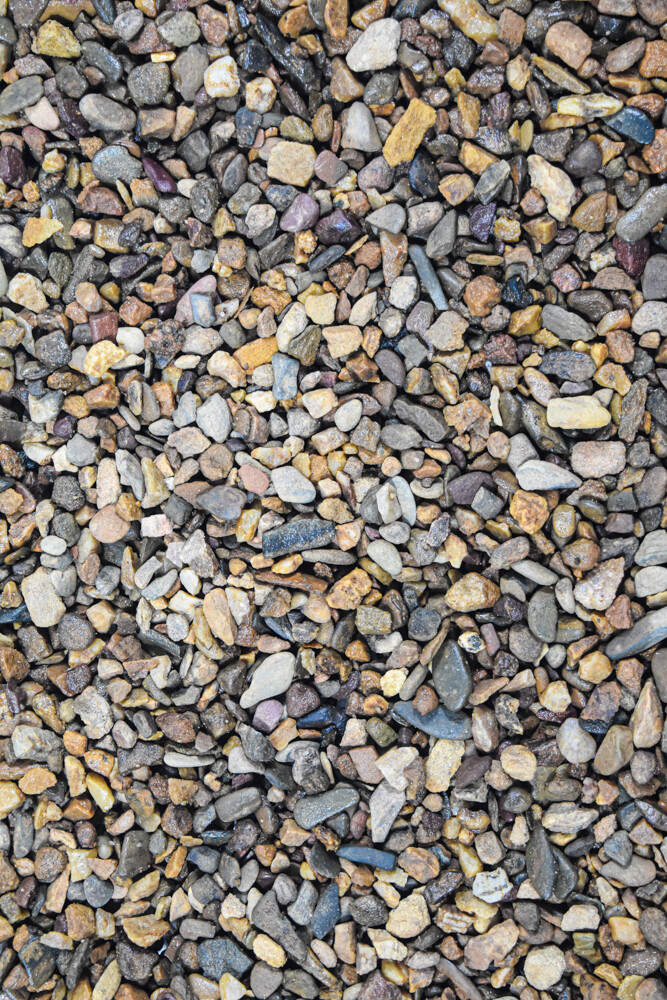
Pea Gravel
Small smooth rounded pea gravel — ideal for walkways, playgrounds, drainage, and garden borders.
Bulk Landscape Rock Pricing & Delivery — Los Angeles
Pricing Guide — Common Materials
| Material | Approx. Price / Ton |
|---|---|
| Decomposed Granite (DG) | $80 – $120 |
| River Rock / Pea Gravel | $120 – $180 |
| Mexican Beach Pebbles | $180 – $250 |
| Lava Rock | Call for pricing |
| Polished & Specialty Rock | Call for pricing |
Prices are approximate and vary by quantity and current stock. Call (818) 503-4242 for a project quote.
Pickup & Delivery Throughout Los Angeles
Pick up same day at any of our yards, or we deliver to your job site anywhere in Los Angeles County and Southern California — San Fernando Valley, Burbank, Glendale, Pasadena, and beyond.
- Main Yard: 6900 Lankershim Blvd, North Hollywood
- Clearance Center: 7934 Lankershim Blvd, North Hollywood
- Paver Yard: 11694 Sheldon St, Sun Valley
Frequently Asked Questions — Decorative Rock & Landscape Stone in Los Angeles
Not Sure What You Need?
Visit our showroom or give us a call. Our team is happy to help you select the right decorative rock for your project and budget.
Get a Quote 📞 (818) 503-4242