
Last Updated: April 2026
A driveway is one of the first visual elements anyone notices about your home — and one of the hardest-working surfaces on your property. In Los Angeles, that means dealing with intense summer heat, occasional seismic activity, intense UV exposure, and the occasional hard rain that sends water racing across the surface.
Driveway pavers offer a smarter alternative to plain concrete. They look better, perform longer, and if one gets damaged, you can replace individual pavers instead of jackhammering the entire drive. But not all pavers are created equal. Concrete, travertine, porcelain, and brick each have different strengths, costs, and maintenance requirements in the LA climate.
This guide breaks down everything you need to know to choose the right pavers for your Los Angeles driveway — including load-bearing requirements, pattern options, cost comparisons, and installation tips specific to our region. For pricing on all paver types across LA, see our full 2026 Paver Cost Guide for Los Angeles.
Why Choose Pavers Over Concrete for Your LA Driveway?
Poured concrete is cheap upfront ($4–$8 per square foot installed), but it has real drawbacks. It cracks as the ground shifts (especially important in seismic LA), it shows every tire mark and stain, and when it fails, you have to replace the entire slab. Driveway pavers solve all three problems:
- Flexibility under seismic activity. Pavers sit on a sand bed and are not mortared, which means they move independently and accommodate ground shift better than a rigid concrete slab. This is a real advantage in Los Angeles.
- Individual paver replacement. If a paver gets damaged by impact, UV fade, or staining, you replace just that paver — not the whole driveway.
- Better aesthetics. Pavers come in colors, textures, and patterns that transform a driveway from purely functional to a visual statement. This increases curb appeal and home value.
- Permeable options. Certain paver systems allow water to drain through instead of pooling, reducing flooding risk during LA's wet winter months.
Driveway Paver Types & Materials in Los Angeles
Four main paver types dominate the LA market. Here's what you need to know about each:
Concrete Pavers
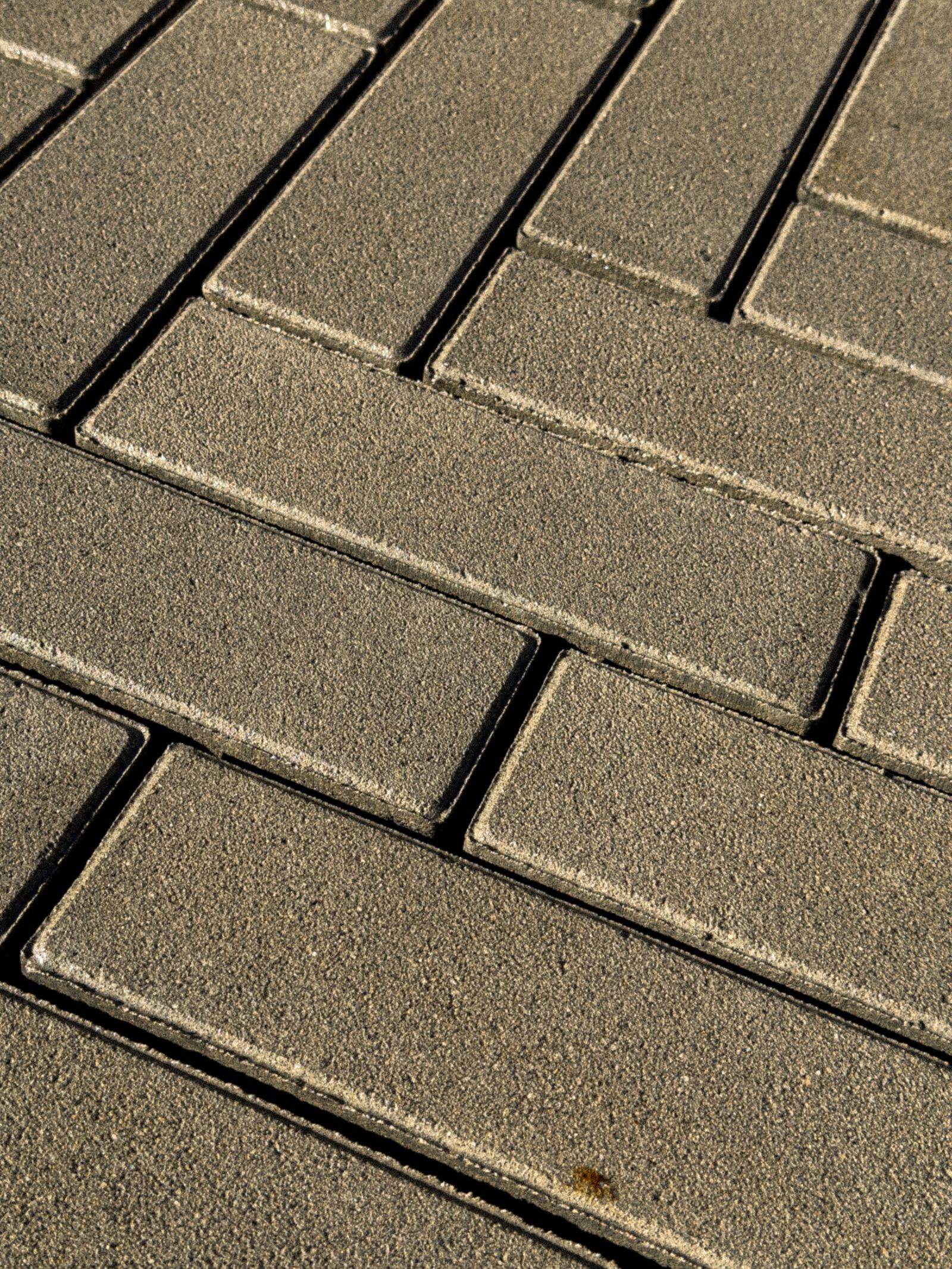
Concrete pavers are cast from Portland cement, aggregate, and pigments. They're affordable, durable, and come in dozens of colors and textures. In LA, they're the most popular choice for residential driveways due to cost and availability.
Concrete Paver Advantages:
- Most affordable option ($2.50–$5.00/sq ft material cost)
- Wide selection of colors and textures
- High load capacity when properly installed
- Available everywhere — quick delivery
Concrete Paver Drawbacks:
- Requires sealing every 2–5 years to prevent water absorption and staining
- Can show tire marks and oil stains clearly
- Darker colors get hot in LA summer (can exceed 150°F in direct sun)
- Efflorescence (white salt deposits) can appear on the surface
Travertine Pavers
Travertine is a natural limestone paver that stays cool underfoot and has a timeless look. For driveways, it's less common than concrete but increasingly popular in upscale LA neighborhoods.
Travertine Driveway Advantages:
- Stays significantly cooler than concrete in direct sun
- Premium, natural stone aesthetic
- Works well with Mediterranean and contemporary home styles
- Durable when sealed properly (30–50+ year lifespan)
Travertine Driveway Drawbacks:
- Higher material cost ($3.50–$8.00/sq ft)
- Requires sealing every 1–2 years (annual recommended)
- Porous stone — prone to oil and tire mark staining without protection
- Must use minimum 1.25" thickness for driveway loads
Porcelain Pavers
Porcelain pavers are vitrified ceramic — essentially non-porous tiles engineered for outdoor durability. They're the newest paver type to gain traction in LA, especially for modern homes.
Porcelain Paver Advantages:
- Zero maintenance — no sealing required, ever
- Completely stain-proof and water-resistant
- Available in stone-look and modern finishes
- 50+ year lifespan with zero fading
Porcelain Paver Drawbacks:
- Higher material cost ($5.00–$12.00/sq ft)
- Can be slippery when wet (look for R12+ slip rating)
- Limited color palette compared to concrete
- Fewer installers familiar with porcelain driveway work
Brick Pavers
Traditional clay brick pavers offer timeless charm and work beautifully in historic neighborhoods and traditional home styles throughout LA.
Brick Paver Advantages:
- Iconic look that suits most architectural styles
- Moderate cost ($4.00–$9.00/sq ft)
- Natural variation in color adds character
- Excellent slip resistance when dry or wet
Brick Paver Drawbacks:
- Requires sealing every 2–3 years
- Can absorb water and be damaged by freeze-thaw (rare in LA but possible in mountains)
- Softer material — more prone to chipping under heavy vehicle use
- Moss and mold can grow on surface in shaded areas during wet season
Driveway Paver Cost Comparison (Los Angeles 2026)
| Paver Type | Material Cost / Sq Ft | Installed Cost / Sq Ft | 400 Sq Ft Driveway (Materials + Labor) | Maintenance |
|---|---|---|---|---|
| Concrete | $2.50 – $5.00 | $12–$20 | $4,800–$8,000 | Seal every 3–5 years |
| Travertine | $3.50 – $8.00 | $18–$30 | $7,200–$12,000 | Seal annually |
| Porcelain | $5.00 – $12.00 | $20–$35 | $8,000–$14,000 | None required |
| Brick | $4.00 – $9.00 | $16–$28 | $6,400–$11,200 | Seal every 2–3 years |
Important: These are wholesale material prices at a Los Angeles supplier plus standard installation labor. Your actual cost depends on base condition, ground preparation, pattern complexity, and your chosen installer. Get quotes from 2–3 contractors in your area before committing.
Order pavers directly from a wholesale supplier and supply them to your contractor. You'll avoid the typical 20–30% markup contractors apply to materials. On a 400 sq ft driveway, that saves $400–$800 in material markup alone.
Driveway Paver Load-Bearing Requirements in LA
Your driveway needs to safely support your vehicle(s). Here's what you need to know:
Minimum Paver Thickness
Residential driveway: 1.25 inches (30mm) minimum thickness. This handles typical passenger vehicles (up to 6,000 lbs concentrated load). If you drive a truck or SUV regularly, or if you park multiple vehicles, consider 2cm (0.8") commercial-grade pavers for extra safety margin.
Base Layer Requirements
The paver is only as strong as what's beneath it. For an LA driveway:
- Minimum 6 inches of compacted crushed stone or granite base. This distributes vehicle load across a wider area and prevents settling.
- Proper compaction. Base material must be compacted in 2-inch lifts with a plate compactor. Poorly compacted base is the #1 cause of paver failure.
- Sand bed: 1 inch of compacted bedding sand. Pavers sit on this sand bed, which allows minor adjustments and accommodates the slight flex that makes pavers seismic-friendly.
- Edge restraints. Concrete edge curbs or plastic borders prevent pavers from shifting sideways over time.
On LA's seismic activity: The sand-bed installation method used for driveway pavers is actually more seismic-resistant than monolithic concrete, which can crack when the ground shifts. This is a real advantage if you're in a zone prone to earthquakes.
Driveway Paver Patterns & Design Options
The pattern you choose affects both appearance and installation cost. Here are the most popular patterns in Los Angeles:
- Running Bond — Pavers laid in an offset brick-like pattern. Simple, classic, and easiest to install. Best for standard rectangular pavers.
- Herringbone — Pavers laid at 45-degree angles in a V-shaped pattern. More visually interesting but requires more cutting and labor. Increases install cost by $2–$4/sq ft.
- Basketweave — Alternating pairs of pavers in perpendicular directions. Attractive mid-complexity pattern that works well in modern homes.
- Ashlar / Versailles — Mixed sizes of pavers in a staggered pattern. Premium look, significantly higher labor cost due to cutting and fitting.
- Modular (Soldier Course) — Single-size pavers laid in straight rows. Very formal, very clean. Simple to install.
For most LA driveways, running bond or herringbone is the best balance of aesthetics and cost. Complex patterns add $3–$6 per square foot in labor.
LA-Specific Driveway Paver Considerations
Heat Management
Los Angeles summers are hot. Light-colored pavers (ivory, cream, tan) stay 15–20°F cooler underfoot than dark colors. If barefoot comfort or reducing heat island effect matters to you, specify light colors. Darker pavers (charcoal, brown, black) look sleek but can exceed 150°F in direct summer sun.
Seismic Activity
While LA's earthquakes are unpredictable, driveway pavers perform better than monolithic concrete under ground shift. Ensure a stable base with proper compaction and edge restraints. The flexibility of the sand-bed system is actually a strength.
Drainage & Flooding
LA experiences intense but brief rainstorms. Standard permeable paver systems allow water to drain through, reducing flooding risk. If your driveway is on a slope or in a flood-prone area, ask your contractor about permeable base and drainage solutions.
UV Fading
Southern California's intense year-round sun can fade colored pavers over 10–15 years. Travertine and natural stone hold color better than pigmented concrete. Porcelain is virtually UV-proof. If color consistency matters, budget for replacement or sealing touch-ups.
Driveway Paver Installation in Los Angeles
Professional installation is critical. Here's what a proper driveway paver installation looks like in LA:
- Excavation & site prep. Old surface is removed and disposed of. Ground is graded for drainage (typically 1–2% slope toward street).
- Base layer installation. 6 inches of crushed stone is spread in 2-inch lifts and compacted with a plate compactor.
- Edge restraint. Concrete or plastic edge curbing is installed along driveway perimeter.
- Sand bed. 1 inch of landscape sand is spread and lightly compacted. This becomes the bedding layer for pavers.
- Paver layout & installation. Pavers are laid according to chosen pattern. A string line ensures straight rows. Rubber mallet is used to set pavers level.
- Cutting & fitting. Pavers at edges and around obstacles are cut to fit (wet saw for porcelain, dry cut for concrete).
- Joint sand & compaction. Polymeric sand is swept into joints between pavers and compacted. This locks pavers in place and prevents weed growth.
- Sealing (if applicable). For concrete, brick, and travertine, a penetrating sealer is applied within 48 hours of installation.
Installation timeline: A typical 400 sq ft driveway takes 3–5 days with a crew of 2–3 installers, depending on pattern complexity and base condition.
Ask your contractor for proof that they're using proper base compaction (they should compact in 2-inch lifts with a plate compactor, not just a hand tamp). Poor compaction is the leading cause of paver settlement and failure within 3–5 years.
Driveway Paver Maintenance in Los Angeles
Maintenance depends on your paver type:
Concrete Pavers
- Sweep regularly to remove dirt and debris.
- Seal every 3–5 years with a penetrating sealer.
- Clean stains promptly with pH-neutral cleaner.
- Power-wash annually (use low pressure — 1000–1500 PSI to avoid damage).
Travertine Pavers
- Seal annually (highly recommended) to prevent oil and tire marks.
- Wipe up oil spills immediately — travertine is porous.
- Use pH-neutral stone cleaner for washing.
- Avoid acidic cleaners (vinegar, lemon) which etch the surface.
Porcelain Pavers
- No sealing required — ever.
- Sweep or wash with standard cleaners.
- Power-wash as needed (porcelain is very durable).
Brick Pavers
- Seal every 2–3 years to prevent water absorption.
- Sweep regularly and clean with pH-neutral cleaner.
- Watch for moss or mold growth in shaded areas; pressure-wash to remove.
When to Call a Professional vs. DIY
DIY driveway paver installation is not recommended for most homeowners. The work is physically demanding, requires specialized equipment (plate compactor, wet saw), and poor installation leads to expensive failures within 3–5 years. The $15–$25/sq ft labor cost is worth it to get a durable, level, properly-draining driveway.
Where you can DIY: annual maintenance, sealing, and minor repairs (replacing a single damaged paver). For the structural installation, hire a licensed contractor with driveway paver experience in Los Angeles.
Where to Buy Driveway Pavers in Los Angeles
Prime Building Materials stocks all four paver types at wholesale pricing in North Hollywood. You can see physical samples side-by-side, discuss your project with an expert, and get a material quote same-day. Many homeowners and contractors supply materials themselves to avoid contractor markup.
Ready to Install Driveway Pavers in Los Angeles?
Prime Building Materials stocks concrete, travertine, porcelain, and brick pavers at wholesale prices. Visit our showroom in North Hollywood to see samples, discuss your project, and get a material quote.
Get a Free Quote → Browse All Pavers →Call (818) 503-4242 · 6900 Lankershim Blvd, North Hollywood · Mon–Fri 7am–5pm, Sat 7am–2pm
Driveway Paver FAQ — Los Angeles
How much do driveway pavers cost in Los Angeles?
Driveway paver material costs range from $2.50–$5.00/sq ft for concrete, $3.50–$8.00 for travertine, $5.00–$12.00 for porcelain, and $4.00–$9.00 for brick. Installed costs (materials plus labor) run $12–$40/sq ft depending on material type, base conditions, and pattern. A typical 400 sq ft driveway costs $4,800–$16,000 installed.
What is the best paver material for a Los Angeles driveway?
The best choice depends on budget and priorities. Concrete offers the best value ($2.50–$5/sq ft). Travertine looks premium and stays cool ($3.50–$8/sq ft). Porcelain requires zero maintenance ($5–$12/sq ft). Brick offers traditional elegance ($4–$9/sq ft). For LA's heat, concrete and travertine in light colors are popular. For zero maintenance, choose porcelain.
How thick should driveway pavers be in Los Angeles?
Residential driveway pavers should be minimum 1.25 inches (30mm) thick. This handles typical passenger vehicles (up to 6,000 lbs concentrated load). For trucks or heavy vehicles, consider 2cm commercial-grade pavers. Always pair pavers with a 6-inch minimum compacted base layer for proper load distribution.
Do driveway pavers need sealing in Los Angeles?
This depends on material type. Concrete and brick pavers should be sealed every 2–5 years. Travertine should be sealed annually. Porcelain pavers require no sealing. LA's intense UV and occasional hard rains make sealing important for non-porcelain materials to prevent staining, water absorption, and premature failure.
Are driveway pavers earthquake-safe in Los Angeles?
Yes. Driveway pavers are actually more earthquake-safe than monolithic concrete because they sit on a sand bed and aren't mortared. This allows pavers to move independently and accommodate ground shift. Ensure proper installation with a stable compacted base and edge restraints for maximum seismic performance.