
Last Updated: April 2026
Los Angeles is a city of hillsides. From the Hollywood Hills to the Bel Air neighborhood to the canyons of Encino and Sherman Oaks, thousands of properties sit on slopes that require retaining walls. A well-built retaining wall protects your home from erosion, maximizes usable yard space, and adds significant curb appeal. A poorly built one fails catastrophically.
Retaining wall blocks — sometimes called segmental retaining wall (SRW) blocks — are the modern solution for hillside properties. They're more durable, earthquake-resistant, and easier to repair than old-style stone or concrete pours. But choosing the right block type, understanding permit requirements, and ensuring proper drainage are critical for long-term success in LA's seismic zone.
This guide covers everything you need to know about retaining wall blocks in Los Angeles: types, costs, permit requirements, drainage design, and where to buy. For a broader look at hardscape materials in LA, see our guide to hardscape materials across Southern California.
Why Retaining Wall Blocks Are Ideal for Los Angeles
Los Angeles presents unique challenges for retaining walls: steep hillsides, seismic activity, intense rainfall, and soil variability. Retaining wall blocks solve these challenges better than traditional solutions:
- Flexible under seismic activity. Segmental blocks move independently, absorb ground shift, and don't crack like rigid concrete pours. This is a real advantage in a seismic zone.
- Modular design allows repairs. If one block is damaged, you replace just that block — not the entire wall. This is critical for long-term property value.
- Built-in drainage capability. Most block systems allow water to drain properly behind the wall, preventing hydrostatic pressure that causes failure.
- Handles LA's variable soil. LA has everything from dense clay to loose fill. Block walls handle soil variability better than rigid systems.
- Professional appearance. Retaining wall blocks add visual character and increase home value far more than plain concrete.
Retaining Wall Block Types in Los Angeles
Three main types of retaining wall blocks dominate the LA market:
Segmental Retaining Wall (SRW) Blocks
SRW blocks are the industry standard for residential and commercial retaining walls in Los Angeles. They're large, hollow or semi-hollow units (typically 12–36 inches wide, 8–12 inches tall) that interlock together and sit on a compacted base.
How they work: Blocks are laid in running bond pattern (similar to brickwork), each course slightly back-tilted. The blocks interlock vertically via built-in pins or shear keys. Geotextile fabric behind the wall prevents soil migration. A perforated drainage pipe at the base allows water to escape.
SRW Block Advantages:
- Can handle walls up to 15+ feet tall (with proper design and engineering)
- Earthquake-resistant due to flexible interlock system
- Allows proper drainage — critical for LA hillsides
- Easy to repair individual blocks if damaged
- Comes in numerous colors and finishes
- Approved by building departments (engineered systems have design standards)
SRW Block Drawbacks:
- Walls taller than 4 feet typically require a building permit
- Tall walls (6+ feet) may require a geotechnical engineer's design
- Higher material cost than gravity blocks ($10–$18/sq ft)
- Installation requires skilled labor and proper base preparation
Gravity Retaining Wall Blocks
Gravity blocks are solid, shorter units (typically 6–12 inches tall) that rely on their sheer weight and friction to hold back soil. They're older technology but still used for smaller walls in Los Angeles.
How they work: Blocks are simply stacked on a prepared base, with no mortar (dry stack) or sometimes with landscape adhesive. The wall's mass and the angle of repose prevent it from tipping.
Gravity Block Advantages:
- Lower material cost ($8–$15/sq ft)
- Easier to install than SRW blocks
- No special interlock mechanism needed
- Works well for short walls (under 4 feet)
Gravity Block Drawbacks:
- Limited to short walls (typically under 4 feet maximum)
- Require significant base footprint to be stable
- Poor drainage — water can get trapped behind the wall
- Less earthquake-resistant than SRW systems
- Difficult to repair if damaged
Anchor Blocks (H-Blocks)
Anchor blocks, also called "H-blocks" or "Keystone anchor blocks," are specialized units with extended arms that dig into soil for added holding power. They're used for very steep terrain or extreme site conditions.
Anchor Block Advantages:
- Exceptional holding power — perfect for steep LA hillsides
- Compact design saves space on tight lots
- Can handle very high walls with proper engineering
Anchor Block Drawbacks:
- Highest material cost ($12–$22/sq ft)
- Specialized installation required
- Require geotechnical design for most applications
- Less common in LA market (fewer suppliers)
Retaining Wall Block Costs in Los Angeles (2026)
| Block Type | Material Cost / Sq Ft | Typical Height | Installed Cost / Sq Ft | Best For |
|---|---|---|---|---|
| SRW Blocks (Standard) | $10–$18 | 4–8 feet | $28–$45 | Most LA residential hillside walls |
| SRW Blocks (Premium Finish) | $14–$22 | 4–8 feet | $35–$55 | High-end homes, visible walls |
| SRW Blocks (Tall Wall 10+ft) | $12–$20 | 10–15 feet | $40–$65 | Major hillside projects with engineering |
| Gravity Blocks | $8–$15 | 2–4 feet | $22–$35 | Small retaining walls, garden borders |
| Anchor Blocks | $12–$22 | 4–10 feet | $35–$50 | Steep slopes, tight spaces |
Cost example: A typical 80 linear feet × 5 feet tall (400 sq ft) SRW block wall in Los Angeles costs $11,200–$18,000 installed, including materials, labor, base prep, drainage, and backfill.
Order blocks directly from a wholesale supplier and supply them to your contractor. This avoids the typical 20–25% material markup. On a 400 sq ft wall, that saves $800–$1,600. Prime Building Materials stocks SRW blocks in multiple colors at wholesale pricing.
Retaining Wall Permits & Regulations in Los Angeles
Los Angeles has strict retaining wall regulations due to seismic risk and past failures. Understanding permit requirements is critical:
Permit Requirements by Wall Height
- Walls 4 feet or lower: Generally do not require a building permit in Los Angeles, but check with your local jurisdiction (city or county) first. Some areas have exceptions.
- Walls 4–8 feet: Require a building permit. A structural engineer's design is typically required.
- Walls 8+ feet: Require a building permit AND a geotechnical engineer's design analysis of soil conditions and slope stability.
- Any wall on slope greater than 25%: May require engineer approval regardless of height. (25% slope = 1 foot rise per 4 feet horizontal distance.)
What Engineers Review
A geotechnical engineer evaluates:
- Soil type and bearing capacity at the wall's base
- Slope angle and potential for landslide
- Groundwater level and drainage requirements
- Seismic loading for earthquake resistance
- Proper block type and wall design for site conditions
Cost: Geotechnical engineering for a residential retaining wall in LA typically costs $800–$2,500 depending on complexity. This is a required expense for most walls — skip it and you risk failure and building department rejection.
On seismic design: Los Angeles is in Seismic Design Category D. Your retaining wall engineer will specify seismic design requirements to ensure the wall can flex and shift with ground movement. This is why SRW blocks (which are flexible) are preferred over rigid gravity or concrete pours.
Retaining Wall Drainage in Los Angeles
Proper drainage is the #1 factor in retaining wall longevity. Los Angeles gets brief but intense rainstorms. Without drainage, water accumulates behind the wall, creates hydrostatic pressure, and causes failure. This is non-negotiable.
Essential Drainage Components
- Perforated drainage pipe at the base. A 4-inch perforated PVC or HDPE pipe runs along the entire wall base. This collects groundwater and directs it to a drainage outlet.
- Gravel backfill (French drain). The area behind the wall (3–5 feet back) is backfilled with large crushed stone or pea gravel, not soil. Water flows through the gravel to the drainage pipe.
- Geotextile fabric. A filter fabric separates the gravel from soil, preventing soil migration into the gravel layer while allowing water to flow through.
- Outlet drainage. The drainage pipe must have a clear outlet — either daylight (exits to open ground), a catch basin, or a storm drain system. Don't let water pool at the base.
- Surface drainage above the wall. Grade the land above the wall to slope away, so rainfall doesn't pool and percolate down behind the wall.
Poor drainage is the #1 cause of retaining wall failure in Los Angeles. Don't cut corners here. Budget extra for a proper drainage system — it's cheaper than rebuilding a failed wall.
Retaining Wall Block Materials & Colors in LA
SRW blocks come in a variety of materials and finishes:
Standard Concrete Blocks
Most common option. Cast concrete in grey, tan, or earth tones. Good durability, moderate cost ($10–$14/sq ft). Available from multiple manufacturers.
Natural Stone Finish Blocks
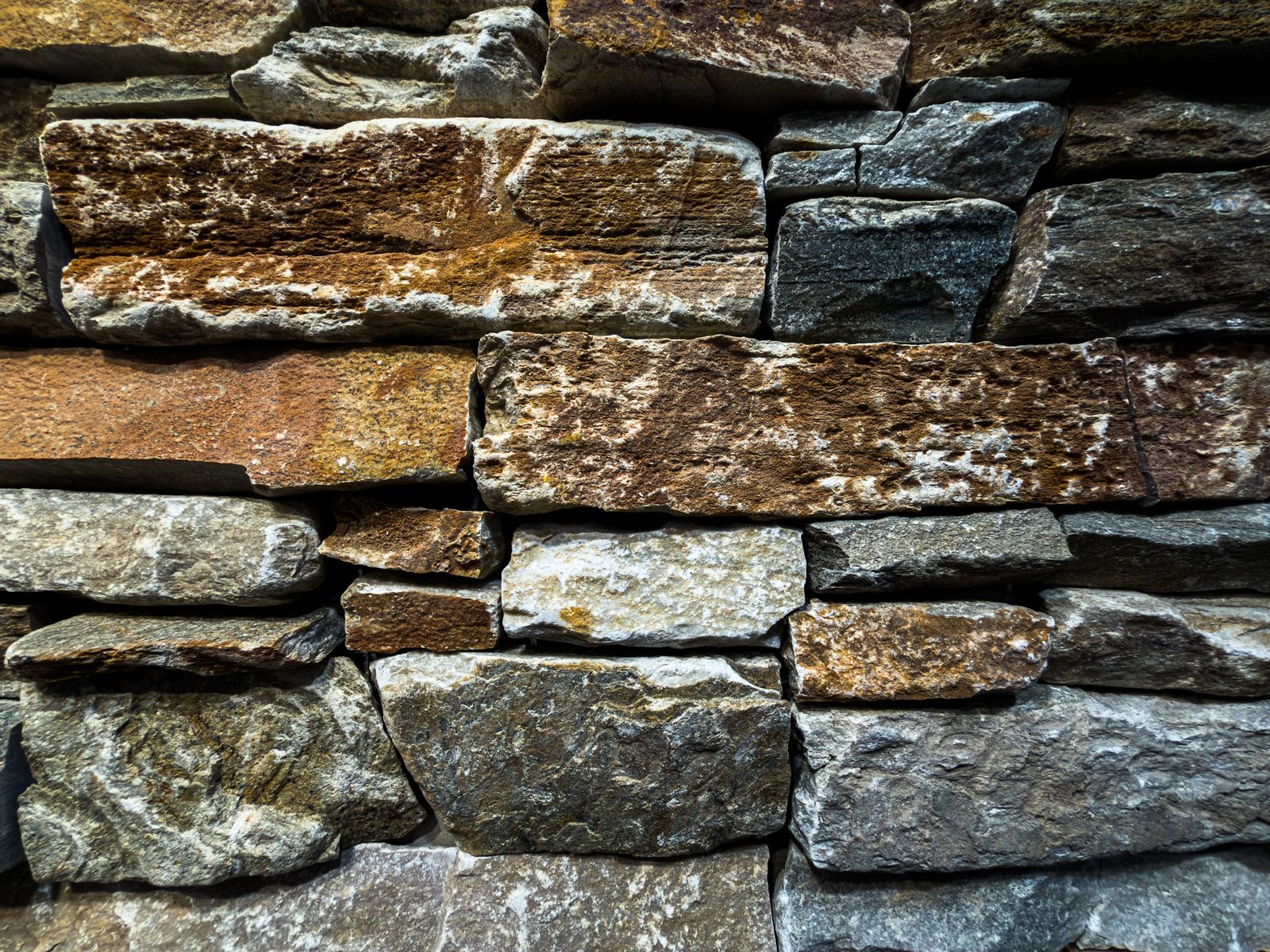
Blocks with a stone-texture or split-face finish that mimic natural rock. Premium appearance, higher cost ($14–$20/sq ft). Popular for upscale homes in Bel Air, Encino, etc.
Engineered Colored Blocks
Blocks cast with integral color (not paint). Rust, charcoal, warm grey, tan options. Cost $12–$18/sq ft. Color lasts the lifetime of the wall.
Recycled Material Blocks
Blocks made from recycled concrete or aggregate. Eco-friendly option, cost similar to standard concrete ($10–$16/sq ft).
For most LA projects, natural stone finish in warm grey or tan tones are popular. Colors should complement your home's exterior and landscaping.
Retaining Wall Installation in Los Angeles
Professional installation is essential. Here's what proper installation looks like:
- Site survey & staking. The wall layout is marked based on the engineer's design. Slope is measured, existing trees identified, utilities located.
- Excavation. The wall face is exposed, soft soil removed to bedrock or stable ground. The base is prepared with proper slope for drainage.
- Base preparation. 6–12 inches of compacted crushed stone provides a level, stable foundation. Compaction is critical — this is where most failures start if done poorly.
- Drainage installation. Perforated pipe is laid at the base, sloped toward outlets. The gravel layer begins.
- Block installation. First course of blocks is set level on the base. Subsequent courses are laid in running bond, with each course slightly back-tilted. Interlock pins or shear keys lock courses together.
- Geotextile fabric. Filter fabric is placed between the gravel and retained soil to prevent soil migration.
- Backfill. The area behind the wall is backfilled with large gravel (first 3–5 feet), then soil compacted in lifts. Proper compaction prevents settling.
- Final grading. Land above and around the wall is graded to slope away for surface water management.
Timeline: A typical 80 linear feet × 5 feet tall wall takes 5–10 working days to construct, depending on site accessibility and soil conditions.
When You Need an Engineer for LA Retaining Walls
Required scenarios:
- Walls taller than 4 feet (almost always in LA due to permit requirements)
- Walls on slopes steeper than 25% (common in LA hillside areas)
- Any wall in Seismic Design Category D (which is all of LA)
- Walls built near building footings or other structures
- Hillside walls with known drainage or stability issues
In practice, virtually all residential retaining walls in Los Angeles should have an engineer's design. The cost ($800–$2,500) is small insurance against catastrophic failure.
Retaining Wall Maintenance in Los Angeles
Retaining walls require minimal maintenance if properly built:
- Keep drainage outlets clear. Ensure perforated pipe drains fully. Remove debris from outlets after heavy rains.
- Monitor the wall face. Look for bulging, cracking, or blocks becoming loose. These are signs of pressure buildup or poor drainage.
- Maintain grading above the wall. Keep the slope draining away from the wall. Regrade if water pools on the wall.
- Inspect after earthquakes. Check for minor cracking or block movement. Small cracks are normal; major movement requires engineering review.
- Keep vegetation trimmed. Large trees create lateral pressure and root damage. Trim or remove trees pressing on the wall.
Where to Buy Retaining Wall Blocks in Los Angeles
Prime Building Materials stocks SRW blocks in standard grey, natural stone finish, and colored options at wholesale pricing in North Hollywood. You can order full truckloads (typically 50–100 linear feet per truck) and have them delivered. Many contractors and homeowners supply their own materials to avoid markup.
Ready to Build a Retaining Wall in Los Angeles?
Prime Building Materials stocks engineered SRW blocks in multiple finishes at wholesale pricing. Get a material quote, discuss your project with an expert, and arrange delivery to your property.
Get a Free Quote → Browse Block Options →Call (818) 503-4242 · 6900 Lankershim Blvd, North Hollywood · Mon–Fri 7am–5pm, Sat 7am–2pm
Retaining Wall Block FAQ — Los Angeles
How much do retaining wall blocks cost in Los Angeles?
Material costs range from $8–$22 per square foot depending on block type. Segmental blocks (SRW) run $10–$18/sq ft. Gravity blocks cost $8–$15/sq ft. Anchor blocks cost $12–$22/sq ft. Installed costs (materials plus labor, base prep, drainage, backfill) typically run $25–$65/sq ft. A typical 400 sq ft wall (80 feet × 5 feet tall) costs $10,000–$26,000 installed.
Do I need a permit for a retaining wall in Los Angeles?
Retaining walls higher than 4 feet require a building permit in Los Angeles. Walls 4 feet or shorter may not require a permit, but verify with your local city or county first. Any wall on a slope steeper than 25% may require engineer approval regardless of height. Always check with your local building department before starting construction.
What type of retaining wall blocks are best for LA hillside properties?
Segmental retaining wall (SRW) blocks are the best choice for most Los Angeles properties. They interlock, provide excellent drainage, handle seismic activity well, and can be repaired easily. Gravity blocks work only for short walls (under 4 feet). For tall or steep-slope walls, SRW blocks with proper geotechnical engineering is standard.
What is the difference between segmental and gravity retaining wall blocks?
Segmental blocks (SRW) are larger, hollow interlocking units (12–36 inches wide) that sit on a compacted base and feature built-in interlock systems. They handle tall walls (8–15+ feet), provide proper drainage, and flex during earthquakes. Gravity blocks are solid, shorter (6–12 inches tall), and rely on weight and friction. Gravity blocks only work for short walls under 4 feet and offer poor drainage compared to SRW blocks.
Do retaining wall blocks need drainage in Los Angeles?
Yes, proper drainage is essential in Los Angeles. Water buildup behind a retaining wall creates hydrostatic pressure that causes failure. Install a perforated drainage pipe at the wall's base, backfill with large gravel (not soil), use geotextile fabric, and ensure water can exit via outlets. Improper drainage is the leading cause of retaining wall failure — this is not optional.