
Last Updated: April 2026
Brick pavers have been a staple of outdoor hardscape in Los Angeles for decades — and for good reason. They're durable, beautiful, and versatile enough to fit traditional, Mediterranean, Craftsman, and even contemporary designs. The modular format allows for distinctive patterns (herringbone, basket weave, running bond) that larger pavers can't achieve, making brick the choice for projects where pattern and visual interest matter.
But brick isn't one thing. Clay and concrete brick perform differently, cost differently, and look different over time. Colors range from traditional reds and oranges to modern greys and creams. Installation costs vary significantly depending on pattern complexity. This guide covers everything you need to know about brick pavers in the Los Angeles market — materials, colors, patterns, realistic pricing, durability in LA's climate, and exactly where to buy wholesale.
Types of Brick Pavers
Clay Brick
Clay brick is the traditional choice — made from natural clay and fired in a kiln. It's the most premium brick option and is prized for its rich color palette, natural variations, and timeless aesthetics. High-quality clay brick will have subtle color shifts and variations that look sophisticated and age beautifully over time.
Advantages: Premium look, natural color variations, excellent durability (50+ years), high slip resistance when tumbled, ages beautifully with patina. Disadvantages: Higher cost ($5–$8/sq ft material), slightly more porous than concrete (needs regular sealing), harder to replace individual pavers if one cracks (color matching can be difficult).
For Los Angeles, clay brick performs exceptionally well. The clay's density resists the intense UV exposure, and the natural porosity is managed easily with regular sealing every 2–3 years.
Concrete Brick
Concrete brick is manufactured from a concrete mixture, pressed into molds, and cured. It's more affordable than clay and offers tremendous color flexibility — manufacturers can tint concrete brick virtually any color. Concrete brick can also be manufactured to mimic the appearance of clay brick or natural stone.
Advantages: Affordable ($3–$6/sq ft material), consistent quality and sizing, wider color options, easier to match pavers for repairs, good durability (25–40 years with maintenance). Disadvantages: Less natural aesthetic than clay, can fade slightly in LA's intense UV if not sealed, not as premium-feeling as clay brick.
Concrete brick is an excellent choice for budget-conscious projects and for homeowners who want color options unavailable in clay. The durability is solid if the pavers are sealed and maintained.
Thin Brick
Thin brick is exactly what it sounds — clay or concrete brick manufactured in a thinner profile (typically 1.25–1.5 inches compared to standard 2.25 inches). Thin brick is used primarily for veneers on walls and buildings, not typically for ground-level paving in Los Angeles. However, thin brick can work for light-duty pathways if the subbase is absolutely solid.
Skip thin brick for driveways, patios, or any area with regular foot traffic in Los Angeles. Standard-thickness brick is the right choice for hardscape.
Reclaimed Brick
Reclaimed (salvaged) brick comes from old buildings, fireplaces, and structures — often 50–100+ years old. It offers character, unique color patina, and historical appeal. Reclaimed brick costs significantly more ($8–$15+/sq ft material) because of sourcing, cleaning, and the limited supply.
Reclaimed brick works beautifully for small accent areas or premium projects where the rustic, aged aesthetic is desired. For a full patio or driveway, the cost and logistics make it impractical for most homeowners. Many reclaimed bricks are also softer than modern brick and not ideal for heavy-traffic applications.
Brick Paver Colors & Finishes
Brick color is one of the biggest aesthetic factors in a hardscape project. Here are the main color families available in Los Angeles:
Traditional Reds & Oranges
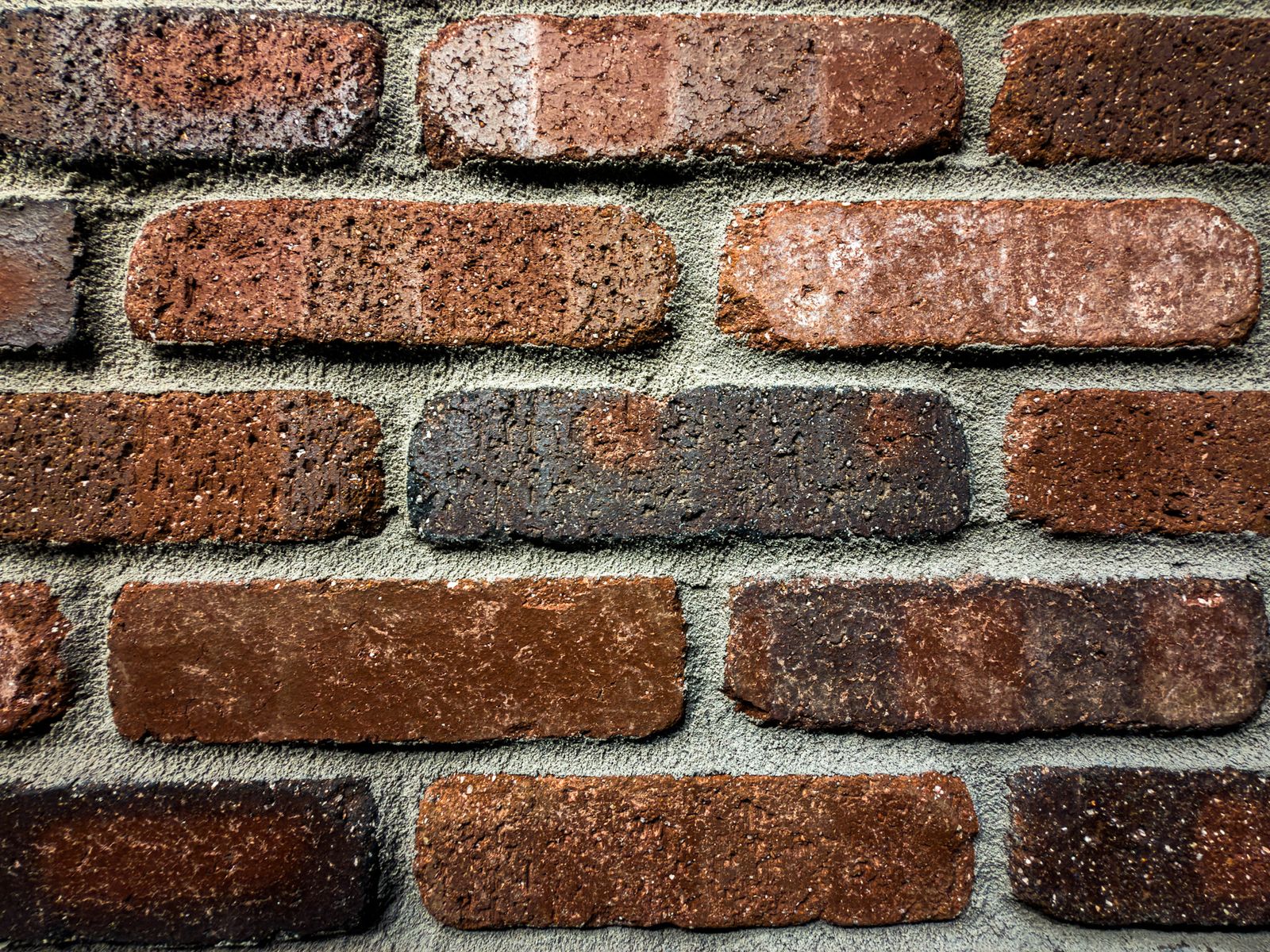
Classic burnt orange, terracotta red, and deep red clay brick colors. These are timeless, pair beautifully with Spanish Colonial and Mediterranean homes, and look warm and inviting. Traditional reds remain the most popular color in LA. They show soil less obviously than lighter colors.
Warm Tones (Brown, Tan, Buff)
Warm brown, tan, and buff-colored brick offer a softer, more neutral aesthetic than reds. These colors work well with Craftsman, Tuscan, and contemporary homes. Tan and buff brick hides dirt and dust better than red in LA's dry climate.
Cool Tones (Grey, Charcoal, Slate)
Modern grey and charcoal brick is increasingly popular in contemporary homes. These colors are less traditional but pair beautifully with modern architecture, stucco, and metal accents. Grey brick can appear cooler underfoot in LA's summer heat (though the actual temperature difference is minimal).
Light Colors (Cream, Ivory, White)
Light-colored brick exists but is less common than red and brown. Light brick is beautiful but shows dirt and stains more obviously. In LA's dry climate with occasional dusty winds, maintenance can be higher. Reserve light brick for covered patios or areas with regular cleaning.
Brick Finishes
Smooth: Modern finish with a clean, uniform face. Works with contemporary designs. Tumbled: Aged, weathered appearance with slightly rounded edges and worn finish. Very popular for traditional and Mediterranean designs, hides imperfections well. Textured/Rough: Pronounced texture for grip and visual interest. Excellent for pool decks and areas requiring slip resistance.
For Los Angeles driveways and patios, textured or tumbled finishes are most popular — they hide the dust and wear better than smooth finishes.
Common Brick Paver Patterns
| Pattern | Appearance | Labor Cost | Best For |
|---|---|---|---|
| Running Bond | Simple offset rows; resembles a brick wall | Baseline | Driveways, patios, walkways; most affordable |
| Herringbone | Alternating 45° angles; striking visual pattern | +$2–$5/sq ft | Upscale patios, driveways; draws eye and direction |
| Basket Weave | Two pavers at 90° alternating; woven appearance | +$1–$3/sq ft | Patios, courtyards; classic, stable pattern |
| Stacked Bond | Pavers stacked directly on top; grid-like | Baseline to +$1/sq ft | Modern designs, easy installation, less waste |
| Mixed Pattern | Combination of two or more patterns; custom borders | +$3–$7/sq ft | High-end projects, custom designs; labor-intensive |
Herringbone is the most visually striking brick pattern, but it requires 10–15% more labor than running bond and generates more waste (typically 5–7% vs 3–4% for straight patterns). On a 400 sq ft driveway, herringbone costs an extra $400–$800 in labor compared to running bond. Plan your budget accordingly.
Brick Paver Sizes & Standards
Brick pavers come in standard and non-standard sizes:
- Standard Brick (3.75" × 7.5"): The classic size, most widely available, works with all patterns. Standard brick is the most affordable option per paver, though slightly less efficient than larger formats.
- Oversized Brick (4" × 8" or similar): Slightly larger than standard, covers ground faster, reduces joint count. Popular for modern designs and large patios.
- Square Brick (6" × 6", 8" × 8"): Used for specific patterns like checkerboard or mixed-pattern designs. Less common for primary paving.
- Thin Brick (various): As mentioned earlier, not ideal for ground-level paving in Los Angeles.
For most LA projects, standard 3.75" × 7.5" brick is the right choice — it's affordable, versatile, and works with all patterns.
Brick Pavers vs Concrete vs Porcelain in Los Angeles
| Factor | Brick | Concrete Pavers | Porcelain Pavers |
|---|---|---|---|
| Material Cost / Sq Ft | $4–$8 (clay) / $3–$6 (concrete brick) | $2.50–$5 | $8–$15 |
| Installed Cost / Sq Ft | $15–$35 (depends on pattern) | $12–$25 | $20–$40 |
| Maintenance | Seal every 2–3 years | Seal every 2–3 years | None required |
| Pattern Options | Excellent (herringbone, basket weave, custom) | Good (limited by larger format) | Limited (larger formats, fewer pattern options) |
| Durability in LA | Excellent (25–50+ years) | Good (25–40 years) | Excellent (50+ years) |
| Aesthetic | Warm, traditional, timeless | Solid, utilitarian | Modern, stone-like, uniform |
| Heat in summer | Moderate (lighter colors cooler) | Moderate | Moderate (depends on color) |
Bottom line: Choose brick if you want pattern options and warm, traditional aesthetics. Choose concrete pavers for budget and simplicity. Choose porcelain if you want zero maintenance and a premium modern look. For a detailed comparison, see: Porcelain vs. Concrete Pavers →
Brick Paver Costs in Los Angeles (2026)
Here's what you can expect to pay for brick paver driveways and patios in Los Angeles, including materials and professional installation:
| Project Type | Brick Type | Pattern | Estimated Installed Cost / Sq Ft |
|---|---|---|---|
| Patio (400 sq ft) | Concrete Brick | Running Bond | $14–$18 / sq ft |
| Patio (400 sq ft) | Clay Brick | Running Bond | $18–$26 / sq ft |
| Patio (400 sq ft) | Clay Brick | Herringbone | $22–$32 / sq ft |
| Driveway (600 sq ft) | Concrete Brick | Running Bond | $15–$20 / sq ft |
| Driveway (600 sq ft) | Clay Brick | Herringbone | $20–$28 / sq ft |
| Courtyard (300 sq ft) | Clay Brick | Basket Weave | $19–$27 / sq ft |
Note: Installed costs include materials, labor, base preparation, sand, and basic jointing. Costs vary by contractor, neighborhood (Encino vs North Hollywood), and site conditions (existing hardscape removal, grading). Always get 2–3 bids.
Material Sourcing Savings: If you supply the brick directly to your contractor from a wholesale supplier like Prime Building Materials, you'll avoid the typical 15–30% contractor markup on materials. On a 400 sq ft patio, buying wholesale can save $400–$800 in material costs.
Brick Pavers for Different Applications
Driveways
Brick is an excellent choice for residential driveways in Los Angeles. The modular format means you can create distinctive patterns, and the durability is proven — properly sealed brick can last 30–50+ years under vehicle loads. Top pattern for driveways: Running bond (least waste, fastest installation, most cost-effective) or herringbone (if you want visual impact and are willing to pay for the extra labor).
Installation considerations: Driveways require a solid 4–6 inch compacted base, proper edge restraint, and a sand bed. Skimping on base prep leads to settling and cracking within 2–3 years. Always hire a professional for driveways.
Patios & Courtyards
Brick patios are where pattern really shines. Herringbone and basket weave patterns create visual sophistication that straight concrete can't match. Best colors for patios: Traditional reds and warm browns work with most home styles. Modern grey works with contemporary designs. Best finishes: Tumbled for a softer, aged look; textured for grip and visual interest.
DIY is possible for simple running bond patterns on small patios (under 100 sq ft) if you're willing to rent a compactor and take your time. Complex patterns like herringbone are better left to professionals.
Walkways & Pathways
Brick walkways are beautiful and durable. Narrow pathways work well with running bond (easy installation). Wider walkways benefit from herringbone or basket weave patterns. Brick pathways in Los Angeles often use borders (different color brick) to define the edge.
Brick Durability in Los Angeles Climate
Los Angeles presents specific challenges and advantages for brick:
- Intense UV exposure: LA's 300+ days of sunshine can fade brick color, especially bright reds and oranges. Sealing helps preserve color. Quality clay brick handles UV better than lower-grade concrete brick.
- Winter rains: LA doesn't get prolonged freeze-thaw cycles, so brick doesn't crack from ice expansion like it does in cold climates. This is a huge advantage for brick longevity in LA.
- Dry climate: The low humidity actually helps brick maintain structural integrity. Sealing is more about stain protection than preventing water damage.
- Pool chemicals: Chlorine and salt water from pools can accelerate sealing degradation. Seal more frequently (annually) around pool decks.
In Los Angeles, brick pavers need sealing every 2–3 years (more frequently if around a pool). Use a penetrating sealer that doesn't change the brick's appearance or make it slippery. Annual cleaning (rinse with water, remove leaves and debris) keeps brick looking fresh. Avoid pressure washing at high PSI, which can damage the brick face.
Where to Buy Brick Pavers Wholesale in Los Angeles
Prime Building Materials stocks quality clay and concrete brick at wholesale pricing in North Hollywood. They carry multiple colors, standard and custom sizes, and can supply full pallets for large projects. Buying directly from a wholesale supplier (rather than ordering through a contractor) can save 15–30% on material costs.
Address: 6900 Lankershim Blvd, North Hollywood, CA 91605
Phone: (818) 503-4242
Hours: Monday–Friday 7am–5pm, Saturday 7am–2pm
What to bring: Project plans or dimensions, color samples, pattern details. Call ahead to confirm availability and get samples in hand.
Ready to Order Brick Pavers?
Prime Building Materials stocks clay and concrete brick at wholesale pricing in North Hollywood. See samples in person, confirm colors, and order direct to save on markup.
Get a Free Quote → Visit Showroom →Call (818) 503-4242 · 6900 Lankershim Blvd, North Hollywood · Mon–Fri 7am–5pm, Sat 7am–2pm
Brick Pavers FAQ — Los Angeles
How much do brick pavers cost in Los Angeles?
Brick pavers typically cost $4–$8 per square foot for clay brick or $3–$6 per square foot for concrete brick at wholesale. Installed costs (materials + labor + base prep) run $15–$35 per square foot depending on type, pattern complexity, and contractor. Herringbone patterns add $2–$5/sq ft to labor costs compared to running bond.
What's the difference between clay and concrete brick?
Clay brick is traditional, made from natural clay and fired in a kiln, with rich colors and natural variation. Concrete brick is manufactured and more affordable, with more color options and easier repairs. Clay typically costs more ($5–$8/sq ft) than concrete ($3–$6/sq ft), but both perform well in LA's climate. Clay ages beautifully but is harder to match individual replacements.
What are the best brick paver patterns for driveways and patios?
The most popular patterns are: running bond (simplest, lowest labor, 3–4% waste), herringbone (visually striking, draws the eye, 5–7% waste, 15% more labor), basket weave (classic, good stability), and stacked bond (modern, easy installation). Herringbone is ideal for larger driveways. Running bond costs least and works for all applications.
Do brick pavers need to be sealed in Los Angeles?
Yes. Both clay and concrete brick should be sealed to resist staining, UV fading, and moisture absorption. Seal brick pavers every 2–3 years in Los Angeles. Use a penetrating sealer that doesn't change the brick's appearance or make it slippery. More frequent sealing (annually) is recommended for pool decks exposed to chlorine.
What brick colors and finishes are available?
Clay brick colors include traditional reds, warm browns and tans, modern greys and charcoals. Concrete brick offers even more color options. Finishes include smooth (modern), tumbled (aged, traditional), and textured (good grip). Most colors are UV-stable in LA's intense sun. Tumbled and textured finishes hide dirt and imperfections better than smooth.
Where can I buy brick pavers wholesale in Los Angeles?
Prime Building Materials stocks brick pavers at wholesale pricing at 6900 Lankershim Blvd, North Hollywood. They carry clay brick, concrete brick, multiple colors, and standard sizes. Call (818) 503-4242 Monday–Friday 7am–5pm, Saturday 7am–2pm to check availability or see samples in person.